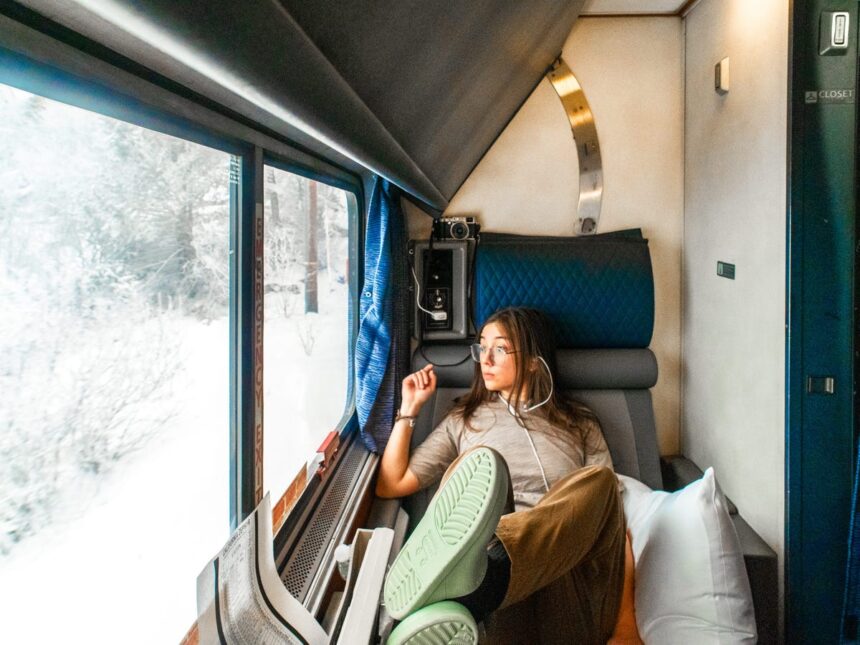
Sleeper trains are having a real comeback moment. What once felt outdated or impractical is now being reframed as intentional, aesthetic, and surprisingly practical. For Gen Z, overnight train travel is not just transportation. It’s content, comfort, and culture rolled into one slow-moving experience.
All Aboard the Nostalgia Express
There’s something about falling asleep to the rhythm of rails that hits differently. Sleeper trains offer a sense of calm that modern travel often lacks. No security lines. No cramped boarding zones. No rushing from gate to gate.
Instead, there’s time. Time to read. Time to look out the window. Time to disconnect.
That feeling of romantic nostalgia is part of the appeal, but it’s not the whole story. For Gen Z, sleeper trains represent a smarter way to travel that aligns with values around sustainability, mental health, and experience-first living.
Why Sleeper Trains Are Suddenly Cool Again
The renewed interest in sleeper trains is driven by a mix of economics, aesthetics, and values.
Flying has become more stressful and more expensive. Budget airlines strip away comfort. Delays are common. Baggage rules feel punitive. Sleeper trains, by contrast, offer predictable pricing and built-in rest.
More importantly, trains turn travel time into usable time. Instead of losing a day to transit, travelers sleep through the journey and arrive rested.
This slower pace fits perfectly with the broader shift toward intentional living, similar to the mindset explored in The Digital Detox Challenge: Unplugging Is the New Glow-Up.
Gen Z and the Rise of Experience-First Travel
Gen Z consistently prioritizes experiences over efficiency. They are less interested in arriving fast and more interested in enjoying the process.
Sleeper trains offer exactly that. They are visually appealing, easy to document, and rich with small moments that feel personal. Compartments feel private. Dining cars feel social. The journey itself becomes the highlight.
According to Forbes, Gen Z travelers actively seek trips that feel meaningful rather than optimized. Sleeper trains deliver meaning through presence and pace.
Why Sleeper Trains Beat Flying for Some Trips
For certain distances, sleeper trains quietly outperform planes.
There’s no need for hotels on overnight routes. Luggage rules are generous. You can move around freely. You can actually sleep lying down, not upright.
Stress levels drop dramatically. Boarding feels calm. The experience feels human.
Environmental impact also matters. Research highlighted by Pew Research shows Gen Z places strong emphasis on climate-conscious choices. Trains produce significantly lower emissions per passenger than flights, making sleeper routes an ethical as well as aesthetic choice.
U.S. Sleeper Train Routes Gen Z Loves
California Zephyr
Running between Chicago and the Bay Area, this route is often called the most scenic train journey in America. Snow-capped mountains, deserts, and river valleys unfold outside the window while passengers sleep, read, or relax.
Coast Starlight
Stretching from Los Angeles to Seattle, the Coast Starlight offers ocean views, forest landscapes, and dramatic sunsets. It’s a favorite for content creators and slow-travel enthusiasts alike.
Empire Builder
Connecting Chicago to Seattle and Portland, this northern route delivers wide-open landscapes and a true sense of distance. It’s popular with travelers looking to unplug and reset.
These routes are often cited by The New York Times as examples of how overnight rail is quietly regaining relevance in the U.S.
Social Media Is Fueling the Rail Revival
Sleeper trains thrive on social platforms.
On TikTok, roomette tours and nighttime train views rack up millions of views. Reddit threads break down cost comparisons between trains and flights. On X, travelers share photos of sunrise arrivals and onboard meals.
The aesthetic appeal matters, but so does relatability. Sleeper trains feel attainable. They feel grounded. They feel different without feeling extreme.
This mirrors broader trend cycles where slower, more tactile experiences outperform flashy but stressful ones.
Sustainability and the Carbon Conversation
Climate awareness is no longer niche. It’s mainstream, especially among younger travelers.
According to BBC, overnight trains are gaining traction globally as travelers look for lower-impact alternatives to short-haul flights.
In the U.S., infrastructure limitations still exist, but demand is clearly rising. Sleeper trains offer a practical compromise between comfort and responsibility.
Are Sleeper Trains the Future of U.S. Travel?
They won’t replace flying entirely, but they don’t need to.
Sleeper trains occupy a specific and growing niche. Medium-distance trips. Experience-driven travelers. Climate-conscious choices. Digital natives who value the journey as much as the destination.
As interest grows, pressure builds for better rail investment and expanded routes. Gen Z’s enthusiasm may end up shaping transportation policy as much as travel culture.
This aligns with the broader pattern discussed in Why Food Trends Matter: A Look at 2023, where cultural shifts often precede structural change.
Riding the Rails Into What Comes Next
Sleeper trains represent a quiet rebellion against rushed living. They invite travelers to slow down, sleep well, and arrive with stories instead of stress.
For Gen Z, that trade-off feels worth it.
What once seemed old-fashioned now feels intentional. What once felt slow now feels smart. And what once belonged to the past is steadily becoming part of the future.
FAQ
What are sleeper trains?
Sleeper trains are long-distance trains with private or semi-private sleeping accommodations designed for overnight travel.
Why is Gen Z interested in sleeper trains?
They align with Gen Z values around sustainability, comfort, aesthetics, and experience-first travel.
Which sleeper train routes exist in the U.S.?
Popular routes include the California Zephyr, Coast Starlight, and Empire Builder.
Are sleeper trains more sustainable than flying?
Yes. Trains generally produce fewer emissions per passenger compared to planes, making them a lower-impact travel option.