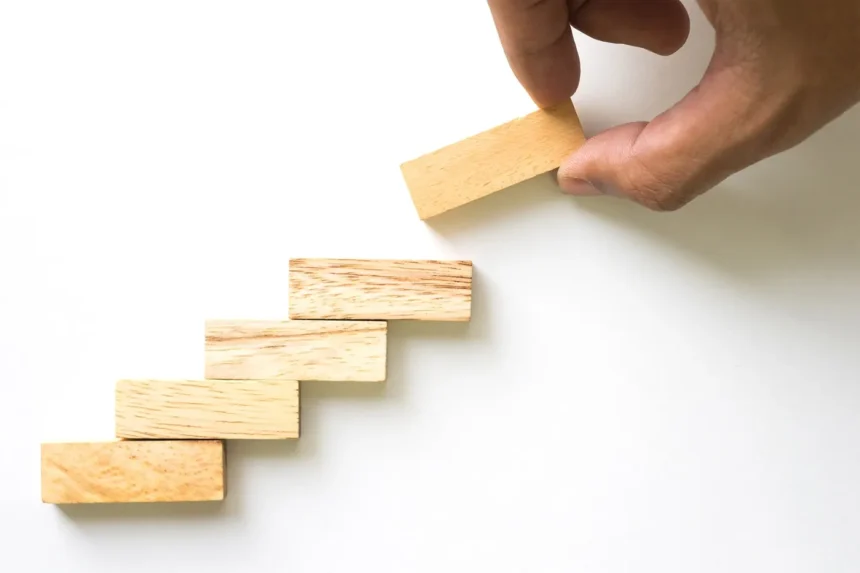
Small decluttering habits is changing how people clean, organize, and think about their homes. Instead of dramatic weekend cleanups that never last, more people are turning to five-minute resets that quietly keep clutter from taking over. It’s less pressure, more consistency, and results that actually hold.
Why Small decluttering habits Works When Motivation Fails
Micro-habits decluttering works because it removes the emotional barrier that usually stops people from starting. Big cleanups feel heavy. Five minutes feels harmless. That small difference is everything.
Behavior experts referenced in Wired explain that habits form faster when actions feel achievable. When the brain senses low effort and low risk, resistance drops. That’s why small decluttering habits fits perfectly into busy lives filled with notifications, fatigue, and decision overload.
This approach aligns closely with the mindset explored in BigTrending’s piece on The Digital Detox Challenge: Unplugging Is the New Glow Up. Less overload, fewer extremes, more sustainable routines.
The Five-Minute Reset Philosophy
Small decluttering habits is built on one simple idea: reset, don’t perfect. You are not trying to finish everything. You are trying to prevent chaos from accumulating.
Five minutes is short enough to avoid procrastination but long enough to create visible change. Over time, those minutes compound into a space that stays manageable without stress.
The Countertop Reset
Clear and wipe one surface only. Kitchen counter, desk, nightstand. Stopping at one surface keeps the habit friction-free.
The Floor Scan
Pick up everything touching the floor that doesn’t belong there. Shoes, bags, clothes. This single habit instantly makes rooms feel calmer.
The Paper Sweep
Recycle or file loose papers once a day. According to organizing experts quoted in the NYTimes, paper clutter is one of the fastest ways homes feel overwhelming.
Nine Small decluttering habits Routines That Stick
Small decluttering habits becomes powerful when routines repeat daily.
- Put away five items before bed
- Empty one small drawer
- Toss expired items from one shelf
- Clear one digital folder
- Return items to their “home”
- Reset your bag or backpack
- Donate one unused item
- Clear one inbox label
- Wipe one frequently touched surface
None of these take more than five minutes. Together, they prevent clutter from rebuilding.
How Technology Can Support Small decluttering habits
Technology doesn’t have to create clutter. Used intentionally, it can reinforce small decluttering habits
- Timers on your phone to trigger resets
- Smart speakers announcing a five-minute tidy
- Simple task apps for daily reminders
Forbes notes that productivity tools work best when they reduce mental load instead of adding complexity. That principle applies directly to decluttering.
Your environment matters too. BigTrending’s article on Why Third Spaces Are Making a Comeback shows how calmer spaces support healthier habits. When your home feels orderly, routines become automatic.
Real-Life Results From Small decluttering habits
Small decluttering habits thrives because people see progress fast.
A TikTok creator shared, “I stopped cleaning for hours and started resetting for minutes. My apartment finally stays clean.”
A Reddit user wrote, “Five-minute resets saved my weekends and my sanity.”
On X, one post summed it up: “Small decluttering habits is the only system I’ve ever maintained.”
The common thread is relief, not perfection.
The Science Behind Habit Momentum
Habit formation depends on repetition and reward. According to behavioral research explained by BBC Worklife, the brain reinforces actions that feel easy and successful. Micro-habits decluttering creates frequent wins, which strengthens consistency.
Why Small Wins Matter
Each completed reset reinforces identity. You stop thinking of yourself as someone who “should declutter someday” and start seeing yourself as someone who maintains order daily.
That identity shift is what keeps micro-habits decluttering alive long-term.
A Cultural Move Toward Low-Stress Living
Minimalism today is quieter and more realistic. People want homes that support calm, not perfection. Micro-habits decluttering reflects a broader cultural move toward intentional living without extremes.
It’s not about empty rooms. It’s about mental space.
FAQ
What is micro-habits decluttering?
It’s a decluttering approach based on small, repeatable actions that take five minutes or less and prevent clutter from accumulating.
How often should I do micro-habits decluttering?
Daily works best. Consistency matters more than duration.
Can micro-habits decluttering replace deep cleaning?
It reduces the need for deep cleaning by preventing buildup, though occasional deep cleans may still help.
Do micro-habits decluttering routines really stick?
Yes. Their low effort and quick payoff make them easier to maintain long-term than traditional cleanups.