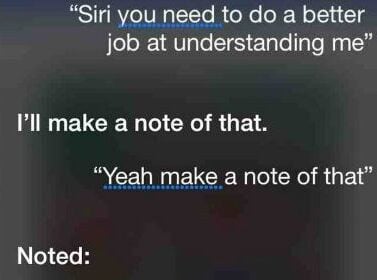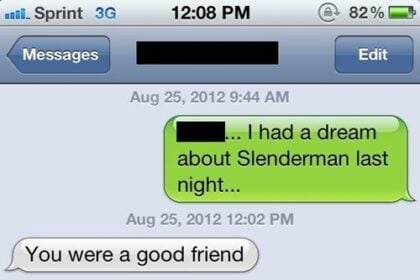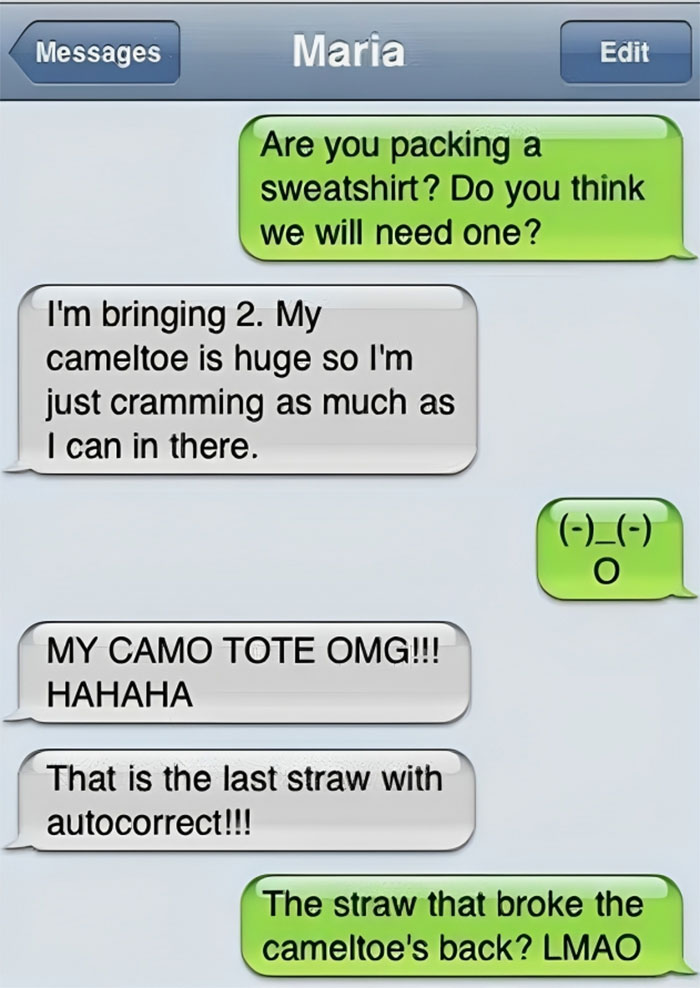
Group chats can turn the most ordinary conversation into an instant comedy show, especially when typo apologies start flying. One slip of the thumb and suddenly you’ve delivered a punchline you never intended.
Why Typo Apologies Hit So Hard Online
There is something deeply, almost scientifically funny about typos. When a message arrives that says “I’m bringing sheep” instead of “chips,” the reaction is instant. Your brain tries to reconcile normal conversation with sudden absurdity. According to research highlighted in BBC Future, our minds rely on predictable linguistic patterns. Typos break that pattern, creating a surprise moment that triggers amusement before logic catches up.
Writers at Forbes have also noted that digital errors expose human vulnerability in a way that feels refreshing. In an online culture where everything is filtered and curated, a chaotic typo reminds people that perfection is overrated.
This is the same energy you’ll find in meme culture, like the fast moving humor covered in the roundup of Twitters funniest tweet trends. The public loves spontaneity, and typos are the purest form of it.
But beyond the laughs, something deeper is happening: typo apologies have become a recognizable form of social bonding.
Group Chats as America’s Comedy Arena
The Social Dynamics Behind Digital Slip Ups
Group chats operate as mini ecosystems. They have their own rhythm, their inside jokes, and depending on your friends, a healthy amount of chaos. When someone sends a wild typo, the group reacts not with judgment but enthusiasm.
It becomes a shared moment that instantly builds connection. As explored by analysts at Wired, digital communication thrives when messages feel authentic rather than sterile. And nothing is more authentic than auto correct deciding you meant “I’m in the tub” when you were trying to type “I’m on the bus.”
Social platforms reflect this joy clearly:
- TikTok: “My group chat is 80 percent typos and 20 percent apologies 😂”
- Reddit: “If typos were an Olympic sport, I’d medal every day.”
- X: “Autocorrect is my toxic trait. It betrays me hourly.”
These reactions show the universal nature of the mix up. Everyone has experienced embarrassment. Everyone has apologized for a typo. It’s a digital ritual at this point.
The Olympic Level Typo Moments
Some typo apologies are so iconic that they feel like competitive sport. These moments spread because they represent peak chaos, peak humanity, and peak group chat energy.
A few gold medal examples:
- Someone confesses “I love you” to their boss by mistake.
- A friend offers to “bring the sheep” to the party.
- A student requests “nudes” instead of “notes.”
- A sleepy parent wishes goodnight with “bedbugs fart.”
- A coworker says “Let’s meat at 7” when dinner plans were very much not carnivore themed.
These are the kinds of digital moments that get screenshotted, archived, and occasionally revived years later. The vibe is similar to the playful absurdity highlighted in the cultural analysis of the Define your aura meme phenomenon. People latch onto moments that feel both real and ridiculous.
When Typos Go Viral
Screenshots, Memes, and the Algorithm Effect
Social media algorithms love typo apologies for one simple reason: they generate immediate emotional reaction. Whether you’re secondhand embarrassed or laughing until your stomach hurts, you’re responding quickly.
As explained in reporting by MIT Technology Review, content that sparks fast engagement tends to outperform polished posts. Typos deliver that impact through relatability. They’re mistakes that could happen to anyone, and that shared vulnerability fuels conversation.
Some of the most viral typo screenshots follow a simple formula:
- A setup that seems normal
- A sudden unexpected error
- A flood of reactions
- A heartfelt or chaotic apology
The cycle repeats endlessly, keeping typo culture alive and thriving.
The Thin Line Between Funny and Problematic
Of course, not every typo apology is harmless. In personal chats, mistakes are charming. In professional chats, mistakes can shift how someone perceives your attention to detail.
One poorly timed typo can cause confusion or emotional misfires. A message intended to reassure a coworker might accidentally feel sarcastic or forward when autocorrect intervenes. There is a reason some people double check every message sent to their boss while letting chaos reign in the family group chat.
This duality is part of what makes digital communication fascinating. Typos bring the comedy, but they also remind users how quickly meaning can shift in text based conversation.
The Unspoken Culture of Typo Apologies
Typo apologies themselves follow patterns. There is the “sorry lol” apology, the “omg autocorrect” apology, the “I swear I can type” apology, and the “please ignore that” apology. Each one carries a personality trait, almost like a digital signature.
Interestingly, the way someone apologizes for a typo often reveals:
- Their comfort level with the group
- Their sense of humor
- Their desire to clarify tone
- Their instinct to maintain harmony
In this way, typo apologies act as social glue. They soften mistakes, they reset the mood, and they remind everyone that messaging is imperfect by design.
Why America Loves Digital Bloopers
Americans consume digital content at high speed, and amid that intensity, people crave moments that feel genuine. Typos offer a break from overly polished feeds. They turn a quick mistake into entertainment.
You can see this across the internet:
- Compilations rack up millions of views
- People intentionally recreate famous typos for laughs
- Entire accounts repost typo screenshots daily
The fascination ties back to something simple and human: errors connect us. They cut through curated images and remind us of our natural clumsiness.
The Future of Typos and Apologies
As predictive text grows more advanced, typos may decrease, but they’ll never disappear. Humans type too quickly, multitask too often, and rely on devices too much to achieve perfection. And even if autocorrect becomes flawless, fat finger errors will remain undefeated.
Tools like Grammarly or advanced phone keyboards can help reduce errors, but they also sometimes overcorrect, creating new mistakes entirely. The cycle continues, and honestly, people wouldn’t have it any other way.
FAQ
Why do typo apologies go viral so often?
Because they combine surprise, relatability, and humor in one quick moment. Everyone understands the embarrassment instantly.
What are the most common autocorrect mistakes?
Typos often occur with words that share similar structures, such as “meet” and “meat” or “notes” and “nudes.”
Do typos hurt professional credibility?
Repeated typos can affect how someone sees your attention to detail, which is why proofreading matters in formal contexts.
How can you prevent typos in group chats?
Typing slower helps, but tools like Grammarly and built in autocorrect features offer an extra layer of protection.