Digital twins are no longer a futuristic concept reserved for tech giants. They are quietly becoming the backbone of America’s next big industrial revolution. As early pilot programs roll out across manufacturing floors, hospitals, aviation hubs, and smart city initiatives, something surprising is emerging: the data looks promising.
What Are Digital Twins? 🌀
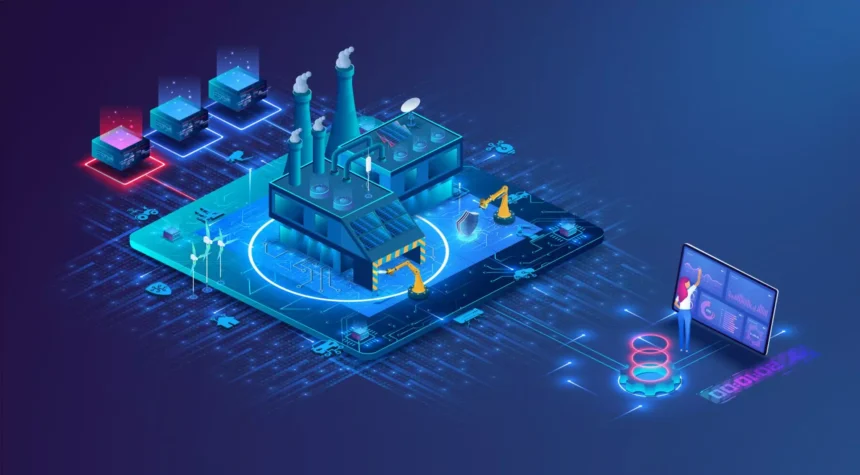
Digital twins are virtual replicas of physical systems, behaving exactly like their real-world counterparts. They are built using real-time data streams, advanced simulation models, and predictive analytics. Think of them as interactive copies of machines, buildings, or even entire cities.
According to BBC Future, the idea is simple but powerful: create a digital version of something to test, predict, analyze, and improve it without risking real-world failures.
A Redditor said it more plainly: “Digital twins are the cheat code for predictive maintenance.”
Why America Is Investing Now
Three forces converged:
- The rise of AI
- The push for predictive analytics
- The demand for efficiency
With aging infrastructure and fragile supply chains, industries want tools that help them anticipate disruption rather than react to it. Digital twins unlock that power.
What Early Data Shows 📊
The first wave of digital twin deployments is producing encouraging results. Engineers are spotting failures days or even weeks before they happen. Factories are optimizing energy usage. Hospitals are simulating surgeries. Smart city planners are modeling traffic flows before redesigning streets.
Forbes reports that early adopters are seeing noticeable reductions in operational downtime and cost overruns. Simulated insights help teams plan better, spend smarter, and reduce risk.
In manufacturing, digital twins allow systems to run millions of “what if” scenarios. If one component is likely to fail, the twin reveals the outcome before anything breaks. That means fewer shutdowns and more predictable production schedules.
Where the Benefits Are Most Clear
- Predictive maintenance
- Equipment longevity
- Higher safety levels
- Better resource allocation
One TikTok creator summed it up: “Watching a digital twin predict a supply chain meltdown before it happens is wild.”
Industries Leading the Digital Twin Wave 🚀
Some sectors have moved faster than others, embracing twins as essential infrastructure.
Aerospace and Aviation
Aviation is one of the most aggressive adopters. Airlines use digital twins to model engine fatigue, track wear on components, and visualize real-time performance. According to Wired, digital twins have helped reduce grounded flights and improve safety margins.
Healthcare
Hospitals are experimenting with patient-specific digital twins. By creating a digital model of organs or surgical sites, medical teams can rehearse complex procedures before touching a scalpel.
Smart Cities
City planners are building digital models of traffic, utilities, and public services to predict bottlenecks and improve efficiency. One user on X wrote: “Digital twins will make smart cities actually smart.”
Agriculture
Even farms are using digital twins to simulate growing conditions, soil moisture patterns, and nutrient cycles to maximize crop yield.
These use cases span such diverse fields that digital twins are becoming a universal tool rather than a niche technology.
The Sustainability Advantage ♻️
Digital twins aren’t only about speed or savings. They are powerful sustainability tools.
They help companies:
- Use fewer physical prototypes
- Reduce material waste
- Optimize energy systems
- Predict environmental impact
When planners can simulate everything ahead of time, decisions become leaner and more eco-conscious.
Pew Research findings show rising support for technology that improves environmental outcomes, making digital twins a culturally aligned innovation.
Inside America’s Most Advanced Digital Twin Tests
Across the country, cities and industries are piloting digital twin setups to test what’s possible.
Manufacturing
Factories are adopting digital twins to reduce machine wear and maximize operational efficiency. Engineers can test maintenance sequences digitally before performing them on equipment.
Energy Grids
Energy companies are testing twins of entire grid sections. They can simulate outages, model extreme weather stress, and test resilience strategies without putting communities at risk.
Health Systems
Digital patient models allow for personalized medicine. Doctors can test treatment plans digitally instead of using trial-and-error methods on patients.
Transportation Systems
Digital twins of traffic networks allow cities to predict congestion patterns, redesign intersections, and test public transport expansions.
These tests reveal a common theme: decisions get smarter, safer, and faster.
Real Internet Buzz 🌐
The hype around digital twins isn’t confined to industry experts. The internet loves the concept.
A Reddit user:
“Digital twins are the future of every major system. Full stop.”
A TikTok user reacting to an aviation twin demo:
“I didn’t know simulations could be this accurate. Mind blown.”
An X user commenting on smart city twins:
“This is the tech that’ll shape urban life for the next 50 years.”
Public sentiment is overwhelmingly curious and positive.
How Digital Twins Enhance Human Decision-Making
People often assume digital twins replace workers. In reality, they empower them.
Human teams make decisions faster when simulations show outcomes clearly. Engineers don’t guess anymore; they test digitally. Doctors don’t rely only on hunches; they rehearse procedures in digital space.
Twins reduce risk without reducing human oversight.
What Could Slow Adoption?
Digital twins are powerful but not perfect.
Key challenges include:
- High data requirements
- Security concerns
- Cost of initial setup
- Shortage of specialized technical talent
The data challenge is the biggest. Twins need clean, accurate, steady streams of information. Bad data creates bad models.
The Road Ahead: America’s Digital Twin Future 🔮
America is on the verge of integrating digital twins into nearly every sector. As AI and IoT sensors evolve, twins will become more precise, more accessible, and more essential.
Urban planners may create full digital copies of cities before construction begins. Hospitals may run digital simulations of entire treatment plans. Factories may operate almost entirely on predictive models.
For more context on how automation is reshaping the workforce, see our article on AI Co-Workers Embracing Automation. And for a look at how robotics fits into the predictive landscape, our piece on The Evolution of Warehouse Bots reveals how physical automation parallels the digital twin revolution.
Digital twins represent a shift toward safer, smarter decision-making. And their rise shows no sign of slowing.
FAQ
What are digital twins used for?
They are used to simulate, analyze, and predict the behavior of physical systems in industries like aviation, healthcare, manufacturing, and urban planning.
How do digital twins impact industries today?
They improve efficiency, reduce risk, lower maintenance costs, and enhance decision-making through data-driven simulation.
What challenges do digital twins face?
Data quality, security risks, high implementation costs, and the need for specialized talent.
Will digital twins shape the future of technology?
Yes. They are expected to influence everything from smart cities to personalized healthcare, making them one of the most transformational technologies of the decade.