Warehouse bots aren’t sci-fi anymore; they are the new co-workers transforming warehouse work, efficiency and culture. Across the industry, these intelligent machines are changing how people move, think and collaborate on the warehouse floor.
Inside Warehouse Bots: What Workers and Managers Say
The Evolution of Warehouse Bots: From Sci-Fi to Standard 🚀
Warehouse bots have shifted from futuristic prototypes to everyday contributors inside fulfillment centers. The New York Times has analyzed how automation reshapes job roles and safety conditions as robots increasingly take over routine and high-strain tasks. Their coverage on modern logistics and labor explains how companies adapt and reorganize workflows: NYTimes on warehouse automation and workers.
Meanwhile, Wired has documented how modern warehouses choreograph humans and robots in fluid, high-speed systems where intelligent machines fetch racks, route inventory and optimize floor layouts. Their deep dive into robotics-enabled efficiency shows how people evolve alongside machines: Wired on warehouse robots and labor.
Today, warehouse bots talk to warehouse management systems in real time, adjust routes instantly and update inventory counts with machine precision. For companies racing to deliver faster shipping windows, warehouse bots have moved from optional upgrades to essential infrastructure.
What warehouse bots actually do on the floor
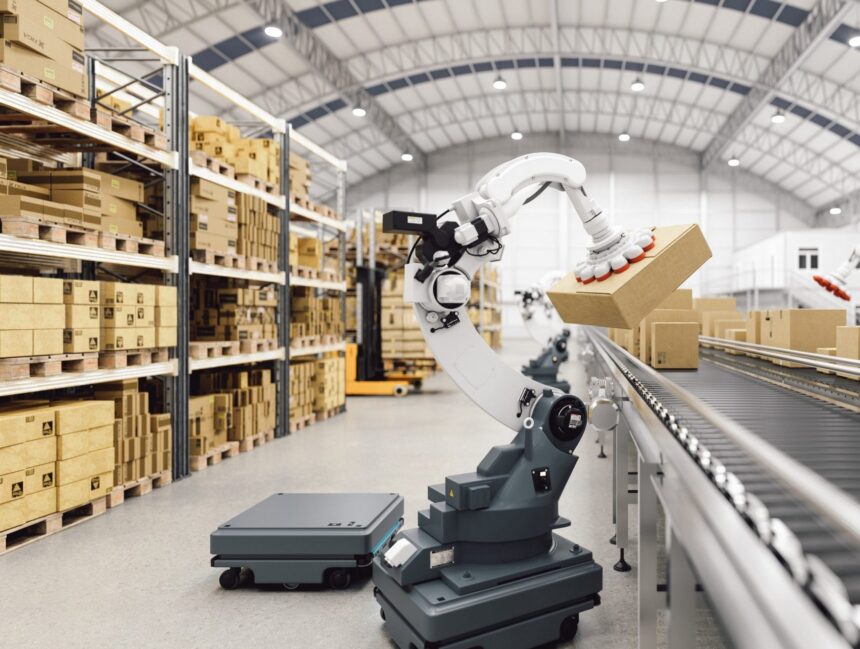
In a typical operation, a fleet of bots will:
- Navigate aisles while scanning barcodes and locations
- Bring shelves, totes or pallets directly to human pickers
- Reroute automatically when a path is blocked
- Sync with order data to prioritize urgent shipments
- Feed constant status updates into dashboards and reports
This real-time machine activity changes how workers and managers operate inside constantly updating digital workflows.
How Workers Adapt to the Bot Era 🤖
For frontline workers, the arrival of warehouse bots can be both exciting and unsettling. Bots glide with purpose, beep politely and rarely hesitate. But as people adjust, many recognize the benefits. As one TikTok user shared:
“First week I was terrified. Second week my back stopped hurting. Third week I was asking to learn the robot dashboard 😅.”
Warehouse bots often absorb punishing physical tasks like long walking routes, repetitive lifts and tote moving. This shifts workers into roles centered on quality control, exception handling and system oversight. A Reddit operator summarized it simply:
“Less grunt work, more brain work. Honestly a better routine.”
Training is key. Facilities that invest in clear onboarding like explaining sensors, safety stops and error codes see smoother adoption. Once workers understand how warehouse bots interpret the world, the fear fades and confidence rises.
In many warehouses, bots even create new career paths. Workers can evolve into support technicians, automation coordinators or team leads responsible for monitoring the robot fleet.
Managers’ Perspectives: Efficiency, Precision and New Pressures
From a managerial point of view, warehouse bots unlock new levels of throughput but also introduce higher expectations. Forbes outlines how automation reduces mis-picks, improves inventory accuracy and accelerates fulfillment timelines: Forbes on automation transforming logistics.
On the other hand, deeper visibility into operations means new pressure for near-perfect performance. The BBC highlights how real-time dashboards, heatmaps and predictive analytics push managers to keep both humans and robots running at ideal capacity: BBC on robotics and the future of warehouse work.
Managers now spend more time balancing:
- Zone utilization
- Fleet performance
- Early detection of bottlenecks
- Safety and morale
- Strategic planning for layouts and automation
Warehouse bots are no longer background tools. They are central to competitiveness in modern logistics.
Culture Shift: Redefining “Hard Work” in a Bot-Driven World
When warehouse bots take on most of the heavy lifting, the definition of hard work changes. In older setups, top performers might be those who walked the fastest routes or moved the most boxes. In a bot-driven environment, standout workers spot system issues early, manage exceptions calmly and read data signals quickly.
BigTrending explored this transition in AI Co-Workers: Embracing Automation in the Workplace, showing how employees gradually shift from competing with automation to collaborating with it.
The intense pace of highly instrumented workflows can also take a toll. That is why counter-trends like digital detox are gaining popularity among workers who spend their day surrounded by dashboards and alerts. BigTrending’s piece The Digital Detox Challenge: Unplugging Is the New Glow-Up taps into the need to reset after work.
Real Reactions From the Warehouse Floor 📢
Social platforms reveal both the excitement and the fatigue:
- TikTok: “The bots don’t get tired but now I don’t get tired either. Win.”
- Reddit: “I miss the walking breaks but my knees do not.”
- X: “You blink and three bots are queued at your station ⚡.”
Some teams nickname their bots, decorate them for holidays or joke about which one is the overachiever. These rituals make warehouse bots feel less intimidating and more like part of the crew.
The Future of Human–Bot Collaboration 🔮
Looking ahead, the next phase is not just adding more bots. It is redesigning workflows around them. Companies see the biggest gains when they rethink layout, scheduling and job roles to match what warehouse bots do best.
Workers who combine physical-world experience with digital fluency will thrive. Managers who master human-bot orchestration while protecting well-being will shape the future of the warehouse.
The story of warehouse bots is not humans versus machines. It is humans plus machines, building a new definition of performance based on judgment, coordination and system awareness.
FAQ: Warehouse Bots and the Future of Work
Do warehouse bots replace human jobs?
Not entirely. They reduce the need for intense physical roles while creating oversight, quality and automation support roles.
How do warehouse bots improve safety?
They absorb heavy, repetitive and high-risk tasks. This reduces injuries and allows humans to stay inside safe working zones.
What skills matter most in a bot-powered warehouse?
Tech literacy, problem-solving, dashboard interpretation and strong communication.
Are warehouse bots only realistic for large companies?
No. Robotics-as-a-service models make automation accessible to smaller warehouses and regional distributors.