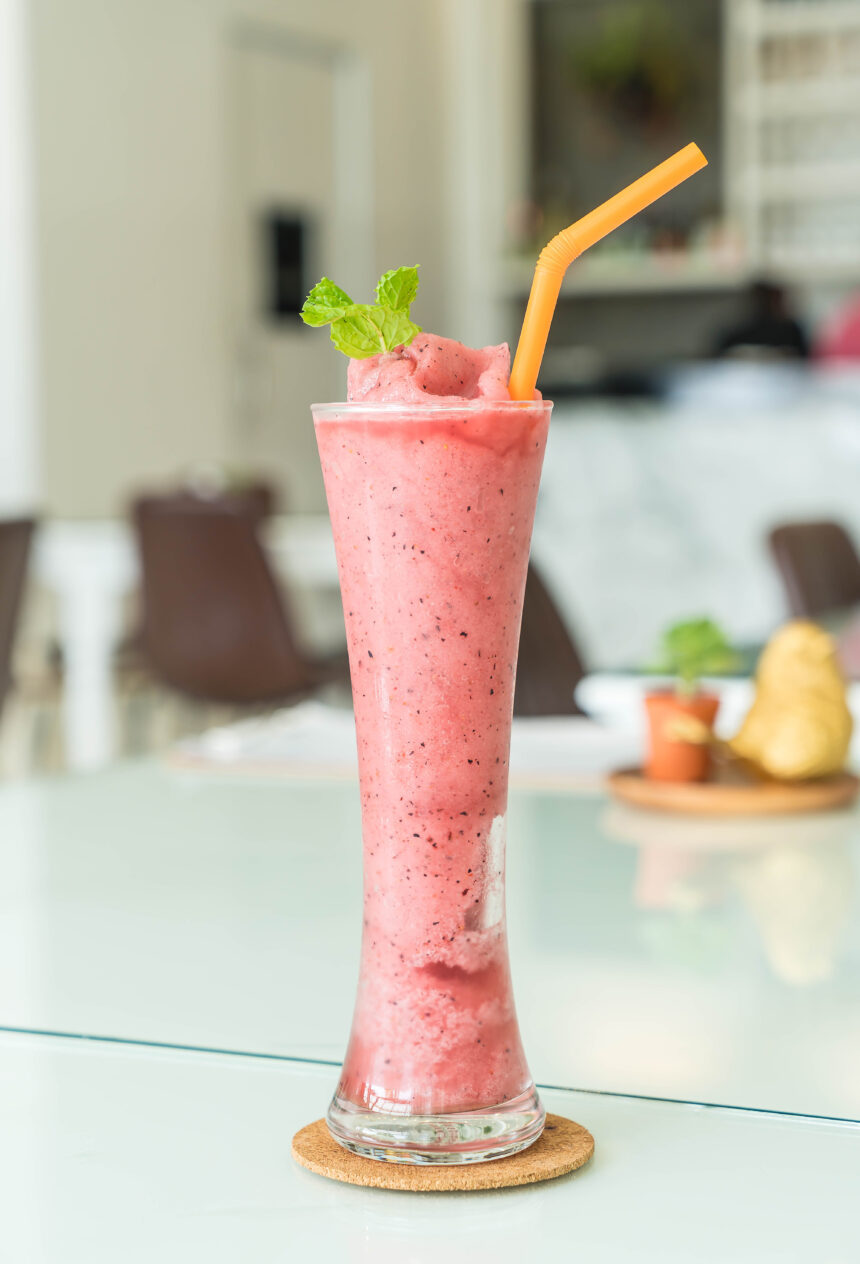
Coffee isn’t cancelled, but it’s definitely being side-eyed. Functional Drinks are stepping into the morning routine with “health-first” energy, and Americans are sipping the hype on purpose.
If your group chat has one friend who “quit coffee” and now speaks exclusively in matcha, electrolytes, and gut health, congrats. You are living inside the trend.
Functional Drinks have become the new default upgrade for people who want more from their cup than “awake and slightly anxious.” The pitch is simple: energy without the crash, calm without the nap, wellness without the lecture. And whether the science is solid, squishy, or somewhere in between, the cultural momentum is undeniable.
This isn’t just about taste. It’s about identity. It’s about the modern American routine evolving from “survive the day” to “optimize the day.” And yes, it’s also about TikTok.
Coffee isn’t dead, your morning routine is just evolving ☕➡️🥤
Let’s be clear: coffee is still the undefeated champion of office culture, road trips, and “I have a 9 AM meeting” panic. But the relationship is changing.
People aren’t quitting caffeine. They’re quitting the coffee experience that comes with it:
- the jitters
- the crash
- the acid reflux roulette
- the “why am I sweating in an air-conditioned room” moment
Functional Drinks slide in like a calmer friend who still gets you out the door on time.
A big driver here is the broader wellness wave, where everyday habits become self-care signals. If you want the macro view, McKinsey’s Future of Wellness trends helps frame why “what you sip” is now part of how people think about health, energy, mood, and even longevity.
In other words, it’s not just a drink. It’s a daily decision that feels like it’s doing something.
What “functional drinks” actually means (and what it doesn’t) 🔬
A functional drink is basically a beverage that claims a specific benefit beyond hydration. Think:
- gut support
- focus
- calm energy
- recovery
- immunity vibes
But here’s the thing that separates smart sipping from getting played by marketing: “functional” is a label, not a guarantee. Some products have legit ingredients and reasonable doses. Others are glorified soda with a vitamin cameo.
The claim vs. the ingredient: probiotics, adaptogens, antioxidants
Functional Drinks usually fall into a few ingredient “families” that show up everywhere.
Probiotics (often in kombucha) are the gut-health headline. If you want a reality-check level explanation, Harvard’s take on fermented foods is a solid way to understand what fermented products might do, and what gets overstated.
Adaptogens are the stress-friendly stars, usually paired with words like “balance,” “calm,” and “restore.” They sound like a magical patch for modern life, but the smart move is learning what they are before you fall in love with the label. Cleveland Clinic’s guide to adaptogens helps translate the trend into actual definitions you can use.
Antioxidants show up in matcha, teas, and “glow” drinks. The marketing vibe is: fewer free radicals, more radiant existence. The real-world vibe is: it’s complicated, and lifestyle still matters more than a single drink.
Then there’s CBD, which sits in its own category because the claims get messy fast.
The ‘health halo’ effect: why labels feel like self-care
Functional Drinks thrive because they make health feel easy. You don’t have to meal-prep, track macros, or turn your life into a spreadsheet. You just… sip.
That’s the “health halo.” When a bottle says “gut,” “focus,” or “calm,” your brain starts treating it like a good decision. Even if the ingredient list is doing the bare minimum.
This doesn’t mean functional beverages are fake. It means you should treat them like any wellness product: useful when chosen well, expensive when chosen emotionally.
The new all-star lineup: what Americans are sipping instead of coffee 🌟
If Functional Drinks had a draft day, these would be the first-round picks.
Kombucha and gut-forward drinks
Kombucha is basically the gateway. It’s tangy, fizzy, and feels like it belongs in a “my life is together” montage.
The appeal:
- it’s cold and refreshing
- it feels lighter than coffee
- it has a “something is happening inside my gut” storyline
But gut health is nuanced. If you want a grounded read that helps you avoid magical thinking, fermented foods and gut health reality check is worth having in your mental toolkit.
“Kombucha didn’t change my life, but my gut is definitely happier.” — a Redditor
That’s the most honest review genre, and it’s also the healthiest expectation.
Matcha lattes and “calm energy” culture
Matcha isn’t new, but its role in American routines has leveled up. It’s now a lifestyle cue:
- smoother energy
- less “wired”
- more “focused”
- and yes, a very photogenic green
Matcha fans swear the vibe is different from coffee. Not “I’m going to sprint through emails” energy. More “I can handle being a human today” energy.
“I swapped coffee for matcha and my energy feels way smoother.” — a TikTok user
That sentence alone explains about 40% of why Functional Drinks are winning.
Adaptogenic lattes and stress-friendly branding
Adaptogen drinks are often coffee-adjacent, which makes them an easy swap for people who want the ritual without the chaos.
They usually come in:
- mushroom lattes
- cacao blends
- “calm” tonics
- powdered mixes that turn your kitchen into a wellness lab
The appeal is emotional as much as physical. People want stress support without feeling like they’re taking medicine.
Still, it helps to understand what you’re actually buying. what adaptogens are (in plain English) is the kind of reference that keeps you from paying premium prices for a vague promise.
CBD beverages and the fine print
CBD drinks are marketed like a soft exhale in a bottle. The challenge is that regulation and claims don’t always match the vibe.
If you’re buying CBD beverages, you want clarity on what’s legit and what’s wishful thinking. FDA’s position on CBD products is the most important “read the room” context for how CBD products are treated and why brands have to be careful with what they say.
The takeaway: you can enjoy the category, but don’t outsource your expectations to marketing copy.
Why this trend exploded: wellness, identity, and TikTok taste tests 📱🔥
Functional Drinks didn’t rise slowly like a traditional food trend. They hit culture like a playlist that suddenly shows up everywhere.
Part of it is social media turning sipping into a performance:
- taste tests
- “day in my life” routines
- fridge restock videos
- wellness “starter packs”
And part of it is that people are tired. Like, culturally tired. Functional Drinks promise a soft reset without requiring a full lifestyle overhaul.
This is also where BigTrending-style micro-trends connect. When beverages get weird in the best way, they tend to go viral first and make sense later. If you want a fun parallel for how “drink culture” becomes a moment, Spicy Water and the rise of functional beverage culture is a perfect example of how novelty, sensation, and wellness vibes blend into a trend people suddenly take seriously.
The great debate: coffee vs. functional drinks (who wins, when?) 🥊
This isn’t a clean replacement story. It’s more like a routine remix.
When coffee still makes sense
Coffee still wins when you need:
- immediate alertness
- a reliable ritual
- a familiar taste
- a budget-friendly boost
Also, coffee culture is social. Cafés are meeting spots. Coffee is a language. For a lot of people, it’s not negotiable.
“Functional drinks are cool until you realize some are basically expensive soda.” — an X user
And honestly, that’s a fair warning. Some products are overpriced for what you get.
When functional drinks are the better move
Functional Drinks shine when you want:
- smoother energy
- less anxiety-y stimulation
- hydration plus a benefit
- a morning that feels kinder to your body
They also fit a broader “functional food” era where health claims move into unexpected places, not just beverages. If you want the vibe of that shift, functional foods are everywhere now (even dessert) is the kind of trend that makes you realize: we are absolutely living in the wellness snack timeline.
The realistic outcome is coexistence:
- coffee on days you need a punch
- functional drinks on days you want a glide
How to sip smart (so you don’t get played by hype) ✅
If you’re leaning into Functional Drinks, the goal is to enjoy them without turning your grocery cart into a wellness scam museum.
A simple decision checklist (goal → ingredient → dose → budget)
Before you buy, ask:
- What do I actually want? (energy, calm, hydration, gut)
- Does the ingredient match that goal?
- Is there a meaningful amount, or just label decoration?
- Is this worth the price compared to alternatives?
If you want energy, check caffeine content.
If you want gut support, look for fermented options with realistic expectations.
If you want calm, avoid drinks that sneak in high caffeine and call it “focus.”
Red flags: mega-caffeine, sugar bombs, mystery blends
Functional Drinks can still be:
- loaded with sugar
- packed with caffeine
- vague on ingredient amounts
- overly confident in the claims
CBD drinks need extra caution around marketing language, especially because the regulatory landscape affects what brands can and can’t promise. If you’re ever unsure, FDA guidance for CBD drink claims is the anchor that keeps you grounded.
The most “functional” move is simple: don’t let a label replace your judgment.
So… are functional drinks replacing coffee in America?
They’re not replacing coffee like a hostile takeover. It’s more like coffee finally has competition that fits modern life:
- people want better-for-you options
- people want smoother energy
- people want rituals that feel aligned with wellness
Functional Drinks are winning because they match the mood of the moment: health-forward, identity-driven, and extremely shareable.
Coffee will still be here tomorrow. But so will the matcha, the kombucha, the electrolyte glow water, and the adaptogenic latte that tastes like “I read one wellness article and changed my life.”
And America? America will keep sipping.
FAQ
What are Functional Drinks?
Functional Drinks are beverages designed to offer benefits beyond hydration, like focus, gut support, calm energy, or recovery, depending on the ingredients and formulation.
Are Functional Drinks healthier than coffee?
Functional Drinks can be healthier for some people, especially if they want smoother energy or less jitters, but coffee can still be a great choice. It depends on your goals and how your body reacts.
Which Functional Drinks are most popular right now?
The most popular Functional Drinks include kombucha, matcha lattes, adaptogenic lattes, electrolyte waters, and CBD beverages, with trends shifting fast based on social media.
Can Functional Drinks fully replace coffee?
Yes, for some people Functional Drinks can replace coffee, especially if they prefer gentler energy. For others, functional beverages and coffee simply coexist in different parts of the day.
How do I choose the right Functional Drinks without wasting money?
Pick Functional Drinks based on a clear goal (energy, calm, gut, hydration), check the ingredient list and amounts, and avoid sugar-heavy or vague “proprietary blend” products.