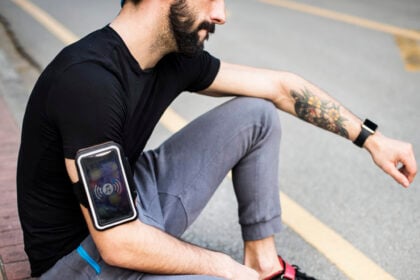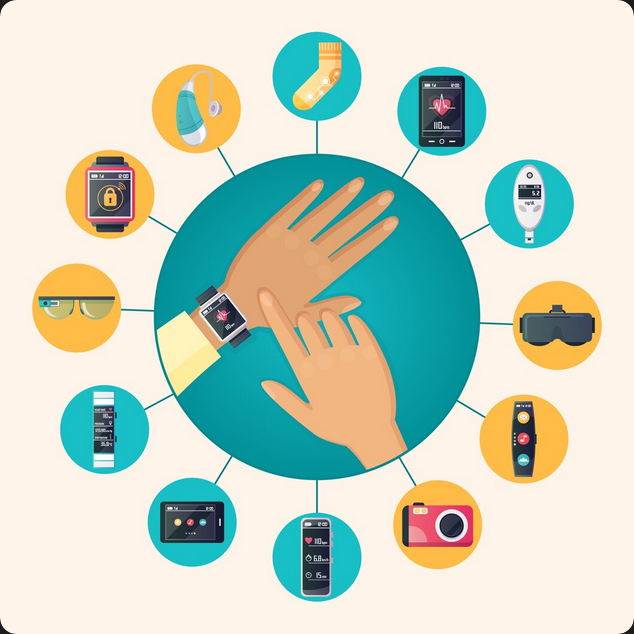
Wearable tech used to count steps and call it a day. Now it’s starting to feel like a personal assistant, a health coach, and a fashion accessory that knows your secrets.
Remember when the biggest wearable flex was, “I hit 10,000 steps”? Cute. That era walked so today’s wearables could sprint.
Now wearable tech is shifting from simple tracking to something way more intimate: it’s learning your patterns, nudging your habits, and tailoring insights to your body like it’s trying to become your most responsible friend. The vibe is less “Look at my gadget” and more “This thing knows me.” Sometimes in a helpful way. Sometimes in a slightly spooky way.
And the personalization wave is not just about health. It’s about design, identity, and the fact that tech finally realized we don’t all live the same life. We don’t sleep the same, stress the same, move the same, or recover the same. So why should our devices treat us like identical robots?
Wearable tech is becoming your most personal gadget (and that’s the point)
At the simplest level, wearable tech is technology you wear on your body: watches, rings, glasses, patches, even clothing. If you want the clean definition and how we got here without the hype, start with what wearable technology actually is.
But the real story is what wearables have become:
- From reactive to proactive: not just logging, but suggesting.
- From generic to personal: not “average person metrics”, but your baseline.
- From clunky to lifestyle-friendly: less “gadget strapped on”, more “part of you”.
That shift is happening because sensors got better, algorithms got smarter, and design stopped pretending we all want to wear the same chunky wrist brick.
From step counters to proactive life enhancers 🚀
The new generation of wearables is quietly ambitious. It’s not trying to be a toy. It’s trying to be infrastructure for your life.
Why personalization exploded: sensors + data + better design
Personalization isn’t magic. It’s math, miniaturized.
Wearables collect consistent signals: heart rate trends, sleep patterns, movement, temperature shifts, sometimes even skin response. Over time, those signals build a “you profile.” That’s the difference between:
- “Your heart rate is 82.”
- “Your heart rate is unusual for you at this time, compared to your baseline.”
That baseline concept is the big unlock. It’s also why wearables are increasingly framed as micro-upgrades to everyday living. If you like the broader cultural angle of small habit changes stacking into real results, tiny changes, big wins in daily habits fits perfectly with how wearables are being sold and used.
Pro tip: the best wearable experience usually comes after two to three weeks, once the device stops guessing and starts learning.
Smart rings are the quiet takeover
Smart rings are having a moment because they do what a lot of people secretly want: health tracking without looking like you’re tracking health.
They’re subtle. They fit into daily life. They don’t scream “fitness device” when you’re dressed up, at a wedding, or just trying to be a normal person at brunch.
They’re also very personal because they live on your hand, which makes them feel more like jewelry than tech. And because the form factor is tiny, the whole product has to be good at signal quality, comfort, and battery efficiency to survive.
If you want a grounded look at what’s leading the category, the best smart rings right now is a strong reference for how the space is evolving and which features matter.
Mini case study: the “sleep-first” wearer
A lot of ring users don’t buy them for workouts. They buy them for sleep and recovery. Why? Because sleep is the most consistent daily behavior, and tracking it can create high-leverage improvements:
- earlier wind-down
- fewer late-night stimulants
- better consistency
- more awareness of what actually wrecks rest
That’s wearable tech becoming personal: it helps you understand your life, not just your steps.
Smart glasses and wearable AR are finally getting wearable 🕶️
Smart glasses have been “the future” for so long that people started treating them like a joke. But the vibe is changing, and the biggest reason is simple:
They’re getting less weird.
The normal-looking era: discreet frames, real utility
Newer smart glasses are moving toward normal aesthetics and practical features:
- quick glance info
- translation
- navigation prompts
- subtle notifications
- audio assistance without earbuds
The more they look like actual glasses, the more people can imagine wearing them daily. If you want a current example of that shift toward sleek and usable, Even Realities G2 smart glasses review is a great window into the “this could actually be normal” era.
“Smart glasses that translate in real time feels like a superpower.” — a TikTok user 🕶️
That’s the promise in one sentence. Not “cool tech,” but “life utility.”
Big question: are we ready for goggles-life?
Not all wearables are discreet, though. Some are bold, immersive, and very “I’m choosing to live in a sci-fi trailer.”
If you want the BigTrending culture hook for that debate, Apple Vision Pro and the rise of AR captures the exact tension: the tech is stunning, but are people ready to wear it in public like it’s normal?
This is where “personal” gets tricky. Some wearables are personal because they disappear. Others are personal because they announce: “This is who I am.”
And that’s a cultural shift too. Wearable tech is becoming part utility, part identity signal.
Smart fabrics: fashion meets functionality 👗
Wearable tech is escaping the wrist and moving into the closet. Smart textiles are one of the most fascinating directions because they blur the line between clothing and device.
The dream is simple: your clothes do more than cover you. They respond to you.
What smart fabrics aim to do:
- monitor vital signs through embedded sensors
- regulate temperature automatically
- shift breathability based on activity
- possibly change color or pattern based on conditions
It’s still early and some of it is prototype-heavy, but the category is real. If you want a quick explainer that helps readers visualize how this works, smart fabrics and wearable tech explained is an easy on-ramp.
A Redditor type of moment sums up why people get excited:
“My jacket adjusts temperature like it’s a personal thermostat.”
That’s the promise: comfort you don’t have to think about.
Practical takeaways if you’re watching this space:
- Expect smart fabrics to show up first in niche use cases (sports, outdoor, medical).
- Then come lifestyle versions that feel fashionable, not clinical.
- The winners will be the products that feel like normal clothes first, tech second.
Because nobody wants to charge their shirt if it feels like a chore.
Health monitoring gets a high-tech makeover 🏥
This is the part where wearable tech stops being a lifestyle accessory and starts flirting with medical territory.
The biggest leap isn’t that wearables can track more metrics. The leap is that wearables can help detect patterns that humans miss.
When wearables become medical-adjacent (and why regulation matters)
Some wearable features are serious enough that they intersect with regulatory review. That matters because it separates “wellness vibe” from “health function that needs evidence.”
A good example is irregular rhythm notifications tied to smartwatches. If you want a credibility anchor for how real this can get, FDA review of Apple Watch irregular rhythm notifications is a document that shows how wearable health features can be evaluated in a formal, regulated context.
This doesn’t mean your device is a doctor. It means:
- wearables can help flag signals
- those signals can prompt action
- action can be the difference between ignoring something and checking it
“My smartwatch alerted me to an irregular heartbeat. It literally saved my life.” — a TikTok user ❤️
Stories like that are why the category is booming. Wearable tech feels personal when it protects you.
Mini case studies: what “smarter” looks like in real life
Case 1: The quiet warning
A user gets repeated alerts about unusual heart rate patterns during rest. They don’t feel symptoms. They still check with a clinician. They catch an issue early. The wearable wasn’t a diagnosis. It was a nudge.
Case 2: The recovery reality check
Someone trains hard, feels “fine,” but their wearable shows consistently poor recovery markers and bad sleep quality. They finally take a rest day, hydrate, and adjust training intensity. Performance improves. Mood improves. They stop living in overtraining land.
Case 3: The sleep behavior mirror
A person swears late-night scrolling doesn’t affect them. Their sleep data disagrees. They run a simple experiment: phone outside bedroom for a week. Sleep quality improves. Now they believe the data because they can feel the difference.
That’s wearable tech as a life enhancer: it turns vague feelings into patterns you can act on.
Beyond fitness: mood, stress, and the mental health layer 🌈
Wearables are increasingly marketed around stress, mood, and focus. This is both exciting and complicated.
The upside: people get more awareness.
- stress spikes during certain meetings
- poor sleep predicts bad mood days
- breathing routines actually lower tension
- consistent movement helps mental clarity
The downside: some people become obsessed with metrics.
- they worry when numbers look “off”
- they over-interpret normal variation
- they turn “wellness” into anxiety
The smarter approach: treat wearables like a compass, not a judge.
Pro tips for using mental-health-adjacent wearables without spiraling:
- Watch trends over weeks, not hours.
- Look for consistent patterns, not one weird day.
- Use insights to create small changes, not big panic moves.
- If data stresses you out, simplify what you track.
Wearable tech is personal, but it should never feel like surveillance of your own body.
What’s next: invisible wearables, patches, and ambient AI 🌌
The future direction is clear: less screen, more signal.
People don’t want more devices demanding attention. They want devices that quietly support them:
- subtle prompts
- passive monitoring
- background intelligence
- fewer notifications, more relevance
Where wearable tech may go next:
- skin patches for continuous monitoring
- smaller, more discreet sensors embedded in accessories
- ambient AI that understands context (sleep, stress, activity) and gives better guidance
- wearables that blend into fashion so they feel like identity, not equipment
But there are constraints the trend can’t ignore:
- battery life
- comfort
- privacy
- data ownership
- trust
“Wearable tech is cool until you remember it’s basically a data factory.” — an X user 😅
That’s the tension. The more personal wearable tech gets, the more important trust becomes. People want smarter devices, but they also want control.
Wearable tech is becoming a cultural revolution
This isn’t just gadget evolution. It’s a cultural shift toward:
- personalized health
- optimized routines
- data-informed decisions
- tech that adapts to you, not the other way around
Wearable tech is getting smarter and more personal because that’s what people want now: tools that understand their lives, support their goals, and fit their identity.
The next era won’t be defined by the most features. It’ll be defined by the best experience:
- frictionless
- helpful
- human
- and personal enough to matter, without crossing into creepy
That’s the wearable revolution. And it’s already on your wrist, on your finger, and maybe soon, woven into your jacket.
FAQ: Wearable Technology Unplugged
What is wearable tech?
Wearable tech is technology designed to be worn on the body, like smartwatches, rings, glasses, and smart clothing, often used for health, fitness, and daily-life assistance.
What are the latest trends in wearable tech?
The biggest wearable tech trends include smarter health monitoring, smart rings, more wearable smart glasses, and early-stage smart fabrics that blend fashion with function.
How are wearables improving healthcare?
Wearables improve healthcare by tracking patterns over time, flagging unusual signals, and helping people act earlier, especially for sleep, heart rhythm, and recovery-related insights.
Can wearable tech help with mental health?
Wearable tech can support mental health by tracking stress signals, sleep quality, and patterns that affect mood, but it works best when used as guidance rather than judgment.
What’s next for wearable tech?
Next-gen wearable tech is likely to become more invisible and ambient, with smaller sensors, patches, and AI-driven insights that feel proactive and personal without demanding attention.