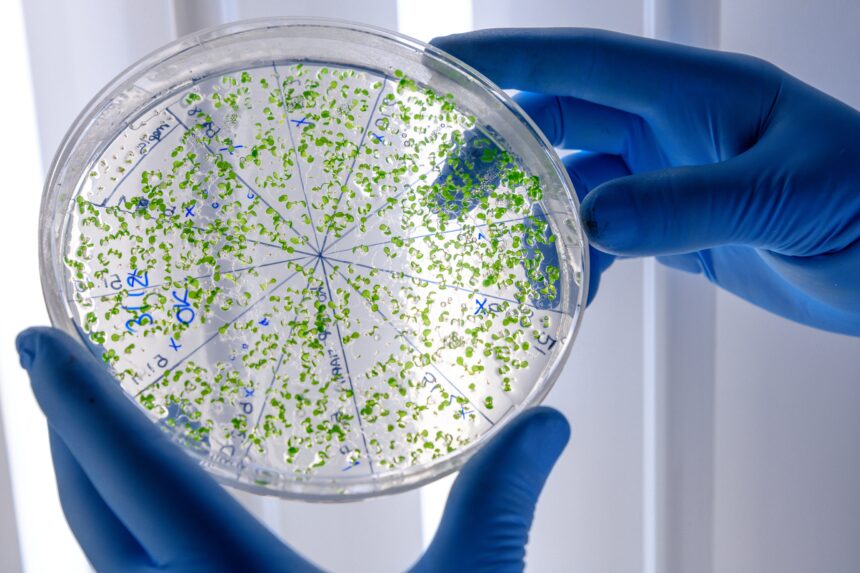
You were taught to fear microbes, but your body is basically a five star hotel for beneficial microbes. And the best part is, many of them are on your payroll.
The Hidden Helpers: How Everyday Microbes Keep Us Healthy
If “microbe” still triggers a mental image of a warning label, you’re not alone. We grew up in the golden age of disinfectant commercials and outbreak headlines, so the story was simple: microbes equal trouble.
But here’s the twist that science has been quietly screaming for years. Most microbes are not villains. Many are functional partners, running background processes that keep you stable, resilient, and weirdly impressive for a bipedal mammal who thinks sleep is optional.
And right now, that story is leveling up: researchers have started building a serious, searchable inventory of the microbes and microbe made compounds associated with health benefits, not just disease. That matters because once you can map the helpers, you can stop treating nature like a biohazard and start treating it like infrastructure.
Germs vs. Partners: The Story We Got Half Right 🧼🦠
Why the “kill it with fire” mindset made sense
Let’s give credit where it’s due. The germ theory of disease changed medicine forever. It helped people understand that specific organisms can cause specific illnesses, which unlocked sanitation, vaccines, antibiotics, and basically modern life.
So yes, “microbes can harm you” is true.
The problem is what came next: a cultural overcorrection where “can” became “always,” and “some microbes” became “all microbes.” That’s like deciding all dogs are dangerous because one bit you in 1998.
Why “sterile everything” doesn’t match how bodies work
Your immune system isn’t a medieval wall that needs higher spikes. It’s more like a smart security team that gets better with training data. That training data often comes from normal microbial exposure in food, soil, plants, pets, and other humans.
When your daily environment gets too microbe poor, you don’t become invincible. You can become reactive. That’s one reason researchers keep circling back to microbial diversity as a core ingredient in long term resilience.
Meet the Microbiome: Your Invisible Support Team 🧠🍽️🛡️
The gut: where beneficial microbes clock in early
The gut microbiome is the headliner because it’s busy. It helps break down fibers you can’t digest, turning them into compounds your body actually uses. It also interacts with immune signaling and metabolism in ways that are still being decoded.
Want the simplest upgrade with the biggest upside? Feed the ecosystem you already have. That’s where a plant-based diets gut microbiome guide becomes more than a wellness trend, it’s basically a strategy document for giving beneficial microbes their favorite fuel: diverse fibers.
Mini case study, real life edition:
If you go from low fiber weekdays to “fiber forward” meals most days, many people notice the boring wins first: better regularity, less random bloating, steadier energy. Those are not glamorous, but they are the foundation.
Skin, mouth, and lungs: the underrated front lines
The microbiome isn’t only in your gut. Your skin has its own community acting like a living shield, competing with potential pathogens and shaping inflammation. Your mouth microbiome influences oral health and can ripple into broader systemic effects. Even the respiratory tract has microbial dynamics tied to immune balance.
In other words: beneficial microbes are not a single product you “take.” They’re a whole operating system you host.
Early life exposure: the immune bootcamp nobody talks about
Your immune system learns what’s normal by seeing normal. That’s why early life microbial exposure is so frequently discussed in allergy and autoimmune research. It’s not about chasing dirt for the aesthetic. It’s about giving the immune system context.
The New Database Moment: Turning “Microbes Are Good” Into Something Usable 🗂️✨
It’s one thing to say “microbes matter.” It’s another to build a structured resource that catalogs which microbes are associated with which benefits, and what compounds they produce that may explain those benefits.
That’s why the Database of Salutogenic Potential is a big deal in the quiet, nerdy way that ends up shaping the next decade.
Why a database changes the game
A database forces clarity. It organizes:
- which microbes are being studied as potentially beneficial
- what settings they come from (human, soil, plants, water, built environments)
- what biochemical compounds show up in the conversation
- what kinds of health outcomes are associated with them in the literature
That’s not hype. That’s scaffolding for real interventions, better studies, and smarter public health conversations.
From microbes to molecules: the “how” behind the help
A major unlock here is shifting from “this microbe seems helpful” to “this microbe produces compounds that may drive helpful effects.”
That’s where the broader research direction described in Mapping and Cataloguing Microbial and Biochemical Determinants of Health gets interesting. It frames microbes and their biochemicals as environmental inputs that can support resilience, not just threats to manage.
If you’re thinking, “So we might design cities and food systems around this?” Yes. That’s exactly where this is going.
Your Body Isn’t Solo: The Human Microbiome Project and the Big Shift 🧬
When the Human Microbiome Project helped mainstream the idea that microbial communities live in and on us, it moved the conversation from fringe to foundational. It also made something very clear: two healthy people can have different microbiomes. Health is not one microbial blueprint, it’s a range of functional ecosystems.
That’s why the newest wave of microbiome thinking is less “take this one strain” and more “build conditions where beneficial microbes can thrive.”
Where Beneficial Microbes Come From: Food, Nature, and the Built World 🌿🏙️
Food: prebiotics, fermented foods, and the slow approach
If you want a practical mental model:
- Prebiotics are fibers that feed beneficial microbes.
- Fermented foods can introduce live cultures and microbial byproducts.
- Variety helps because different microbes like different inputs.
The most reliable strategy is boring in the best way: consistent fiber diversity, moderate fermented foods if you tolerate them, and fewer ultra processed “nothing for microbes to do here” meals.
Nature exposure: the “outside microbiome” you forgot exists
We talk about air quality, green space, and walkability like they’re lifestyle perks. But there’s also a microbial angle: soil and plant associated microbes are part of what you’re exposed to in parks, gardens, and natural spaces.
This doesn’t mean licking a tree. It means understanding that a life spent entirely indoors, on sanitized surfaces, eating ultra processed foods, is a microbial monoculture. And monocultures are fragile, in farming and in bodies.
The built environment: what your home is “teaching” your immune system
Ventilation, humidity, pets, plants, cleaning habits, and crowding patterns all shape your microbial exposures. A home can be clean and still biologically rich. The goal is not “dirty.” The goal is “balanced and sane.”
Microbe Myths That Refuse to Die 🤦♂️
Myth 1: Probiotics are a shortcut
Supplements can help in specific contexts, but they’re not magic. If you keep feeding your gut the dietary equivalent of cardboard, a capsule is not going to rebuild your ecosystem like a superhero montage.
Myth 2: All bacteria are bad bacteria
This is the original branding mistake. “Bacteria” is not a moral category. It’s a massive biological category with everything from harmful pathogens to beneficial microbes that quietly keep you functioning.
Myth 3: Antibacterial everything equals healthier
Overusing harsh antimicrobials can disrupt your skin microbiome and contribute to resistance issues. Use targeted hygiene where it matters most (bathroom, kitchen, illness, high risk settings), and chill everywhere else.
A TikTok user put it bluntly: “I sanitized my whole life and still got sick, maybe I need better habits, not stronger wipes.”
The Practical Playbook: How to Support Beneficial Microbes (Without Becoming a Wellness Weirdo) ✅
Here’s the grown up, non dramatic version:
- Eat more types of fiber. Aim for variety across legumes, whole grains, vegetables, nuts, seeds, and fruit.
- Add fermented foods slowly. Yogurt, kefir, kimchi, sauerkraut, miso, tempeh, pick what you actually enjoy.
- Respect antibiotics. Use them when needed, don’t treat them like vitamins.
- Go outside on purpose. Nature exposure is a nervous system upgrade and a microbial exposure upgrade.
- Sleep like it’s a biological requirement (because it is). Stress and poor sleep can shift gut dynamics.
- Stop chasing hacks. Build an environment where beneficial microbes can win consistently.
And if you’re curious about the “microbes and compounds” angle without falling into hype, exploring functional mushrooms recipes is a fun entry point because it keeps the conversation grounded in food and practical use, not miracle claims.
A Redditor summed up the vibe: “The best gut advice is always the least exciting: eat plants, sleep, and stop doom scrolling.”
What This Means for Cities, Farms, and Conservation 🌎
Farms: soil health is human health, just farther upstream
Healthy soil is not just about crop yield. Soil microbial diversity can support plant resilience, nutrient cycling, and reduced need for aggressive chemical inputs. When farms manage soil like a living system, it’s not only good for the planet, it can shape the nutritional and microbial landscape of what ends up on plates.
Cities: designing for exposure, not fear
Imagine city planning that treats green space as health infrastructure, not decoration. Cleaner air, more trees, less heat stress, and richer microbial exposure. That’s the direction these ideas point toward.
An X user joked: “So you’re telling me touching grass is evidence based now?” Yes. It kind of is.
Conservation: biodiversity as a public health asset
When ecosystems degrade, microbial diversity often degrades too. If the next era of health science treats environmental microbiomes as part of resilience, conservation becomes even more than an ethical or climate issue. It becomes health strategy.
The big takeaway
We don’t need to romanticize microbes or pretend pathogens don’t exist. We just need to stop living in a story where everything microscopic is automatically an enemy.
Beneficial microbes are not a trend. They are a core layer of how humans function. And the more science can catalog the helpers, the more we can design daily life, cities, and food systems that work with biology instead of constantly fighting it.
FAQ: Beneficial Microbes, Explained Like You Have a Life
What are beneficial microbes?
Beneficial microbes are microorganisms associated with positive effects on human health, including digestion support, immune training, and production of helpful compounds.
How do I increase beneficial microbes naturally?
To support beneficial microbes, prioritize diverse fiber rich foods, add fermented foods gradually, manage stress, and get consistent sleep and outdoor time.
Are probiotics the best way to get beneficial microbes?
Not always. Probiotics can help in specific situations, but for many people the bigger lever is feeding beneficial microbes with diverse fibers.
Can beneficial microbes reduce stress?
Research increasingly links the gut microbiome to stress related pathways. Supporting beneficial microbes through diet and lifestyle can be part of a broader stress resilience plan.
Do beneficial microbes come from the environment too?
Yes. Exposure to diverse environmental microbiomes through plants, soil, and outdoor spaces may shape the microbial inputs your body encounters over time.