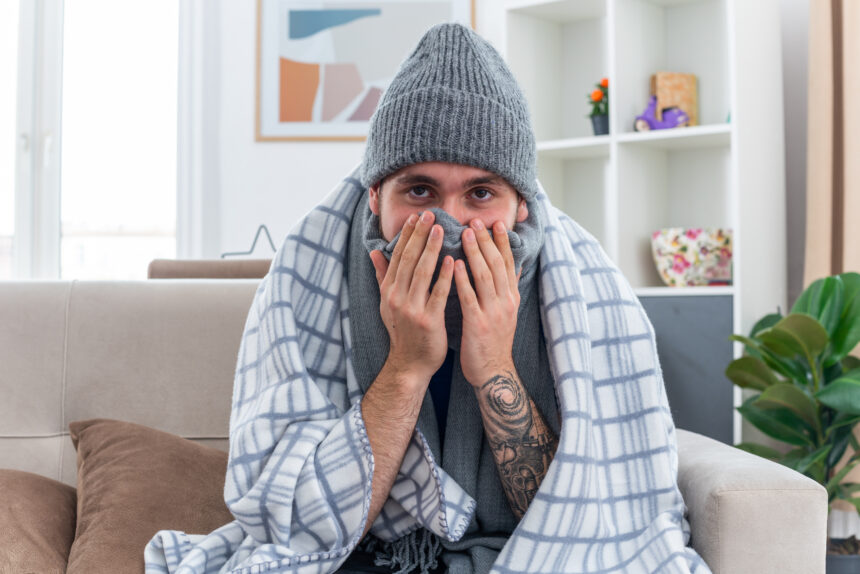
Cold doesn’t equal sick. The real drivers are viruses, air, and behavior—not the number on the thermometer. Here’s how to enjoy crisp days without stressing your immune system.
Cold weather vs. getting sick — what science actually says ❄️
Let’s rewrite the classic winter script. If you’re dressed for the day and your core temperature is steady, cold weather isn’t a magic “off” switch for immunity. What changes as the seasons shift is our exposure to viruses: we gather indoors, air gets drier, and shared spaces do more of the heavy lifting for viral transmission.
Public health agencies frame the seasonal pattern clearly. The CDC flu season overview lays out when influenza typically surges, and the WHO on seasonal influenza transmission explains how close contact, droplets, and aerosols spread these viruses efficiently. None of that is the same thing as “the air outside is cold, therefore you get sick.” It’s the environment you create around you—and the viral load moving through it.
A TikTok user: “My mom still says ‘put on a hat or you’ll get sick’ — sending her this.”
Why winter boosts virus spread (indoors, dry air, close contact) 🏠
Three forces team up in winter:
- Crowding & proximity. We huddle in classrooms, offices, gyms, transit, and living rooms. More faces, less space, higher chance a contagious person is nearby.
- Dry indoor air. Heating systems parch the air. In drier air, respiratory droplets evaporate faster and can hang as aerosols that travel farther; your nasal passages also become drier, which may reduce local defenses.
- Routine shifts. Shorter days and stress can chip away at sleep and movement, nudging our baseline resilience down a notch.
This isn’t just folklore. A frequently cited lab model from Lowen and colleagues quantified the physical dynamics: at lower humidity and cooler temps, influenza spread more readily in animals. You can read the original work via the CDC’s archive: study linking low humidity and cooler temps to higher flu transmission. For a practical lens on what that means at home, a recent consumer science explainer digs into humidifiers, indoor RH targets, and why 40–60% may be a sweet spot for comfort and reduced viral persistence: Washington Post on why indoor humidity matters in winter.
A Redditor: “Low humidity in winter is the plot twist I didn’t expect.”
Feeling warm vs. being chilled — when the cold actually matters 🧣
Your immune system is a 24/7 operations center. As long as your core temperature is maintained and you feel physically comfortable, the outside temperature isn’t flipping your defenses off. Where things can wobble:
- Prolonged chill or damp (e.g., working outside in soaked clothes for hours) can sap heat, strain the body, and create conditions where defenses feel “busy” with thermoregulation.
- Hypothermia-range exposure is a different universe from brisk air while you’re layered up.
What matters day to day is exposure to viruses and time in shared air. The WHO guidance on how influenza spreads in close quarters is the north star: keep distance where you can, manage airflow, and mind hygiene. That’s it—no need to treat a cool breeze like a biohazard.
An X user: “Cold weather isn’t the villain; crowded rooms are.”
Real-world habits that reduce risk (without hiding indoors) ✅
Let’s keep this tactical and simple. You can enjoy cold weather and lower your odds of catching whatever’s going around:
1) Nudge the air.
Crack windows for cross-ventilation when company’s over. In tightly sealed apartments, even a few minutes helps dilute indoor viral particles. If windows are a no-go, consider a HEPA purifier sized for your room.
2) Aim for 40–60% indoor humidity.
That’s the comfort band many building scientists suggest. It’s also a range where respiratory droplets are less likely to become extra-fine lingerers. Pair a humidifier with a small hygrometer to avoid overdoing it (too high humidity can invite mold). For a seasonal context on timing and risk, the CDC flu season explainer is a useful quick-check.
3) Keep hands boringly clean.
You know the drill: soap, water, 20 seconds. Reserve sanitizer for on-the-go moments. The point is reducing the hand-to-face pipeline.
4) Sleep is your most underrated “supplement.”
A consistent 7–9 hours stabilizes immune signaling. If you can only change one habit this season, make it sleep.
5) Stay active—even in 20-minute bites.
Short workouts (walks, mobility, bodyweight circuits) support immune function and mood, and they don’t require a gym membership or warm weather.
6) Flu shots and timely care.
Talk to your provider about vaccination and antivirals when appropriate. Seasonality is real (see the CDC overview above), and tools exist to reduce severity.
7) Social settings: curate, don’t hibernate.
You don’t have to become a shut-in. If someone is obviously ill, diffuse the closeness (fresh air break, meet outdoors, reschedule). No drama, just decency.
Myth-busting mini-section 💥
“If I run to the car with wet hair, I’ll get sick.”
Short, cold exposures aren’t the same as being chilled for hours. The bigger factor is whether you shared air with someone contagious.
“Opening windows in winter makes everyone sick.”
Brief ventilation exchanges air; it doesn’t summon a virus. In fact, it lowers concentration if someone infectious is present—especially useful during gatherings.
“A heavy coat is a force field.”
A coat keeps you warm (good!), but it doesn’t stop viruses. Even bundled up, close-range contact in dry indoor air is the main risk. For the underlying physics, revisit the study on humidity and transmission dynamics.
“Cold weather weakens immunity by default.”
Your immunity isn’t a thermostat readout. Absent extreme chilling, the principal risk driver is exposure plus conditions (crowded, dry, stale air), not the ambient temperature.
Micro-case studies you’ll actually use
The dinner party: You’re hosting eight people in a small space. What helps most? Crack two windows opposite each other to create a gentle cross-breeze, run a portable HEPA unit, and keep a small humidifier at 40–50%. It’s not about hospital-level sterility; it’s about trimming risk layers without killing the vibe.
The school run: Kids bring home…everything. Focus on sleep routines, hand-washing as soon as they get home, and a humidifier in their bedroom during the driest weeks. Forget policing jackets; aim for comfort + consistency.
The office pod: If one teammate is coughing, see if you can rearrange seating for a few days, step outside for some calls, or book a larger meeting room. You don’t need to be confrontational—just pragmatic.
Smart gear upgrades (small cost, big return)
- Hygrometer: A $10–$15 digital unit tells you if the air is Sahara-dry or swampy.
- Humidifier with automatic shutoff: Useful for bedrooms; clean it weekly. (Remember, over-humidifying is not the goal.)
- Portable HEPA purifier: Pick one with a CADR that matches your room size. Replace filters on schedule.
- Layers > one huge coat: Layers adapt as you move between outdoors and heated rooms, keeping you comfortable and avoiding sweat-chill cycles.
Social temperature check 🔥
Sometimes the myths stick because they’re comforting stories. The data is less dramatic but more actionable:
- A TikTok user: “My mom still says ‘put on a hat or you’ll get sick’ — sending her this.”
- A Redditor: “Low humidity in winter is the plot twist I didn’t expect.”
- An X user: “Cold weather isn’t the villain; crowded rooms are.”
(Yes, we repeated the first two reactions intentionally—because those sentiments keep popping up everywhere every winter.)
Related on BigTrending 🔗
If you like practical, environment-meets-health explainers, take a spin through our site. Start at Big Trending home for what’s hot right now, or jump into seasonal wellness with tips to stay safe in a heatwave—a nice counterpart to navigating winter comfort.
FAQ
Does cold weather itself make you sick?
Not directly. Cold weather changes the conditions (dry air, indoor crowding) that help viruses spread, but temperature alone isn’t a guaranteed trigger.
Is stepping outside with wet hair risky in cold weather?
Not for a quick dash. The bigger factor is exposure to contagious people; a short chill isn’t the same as hours of being cold and damp.
What humidity level helps during cold weather season?
Aim around 40–60% relative humidity indoors. It’s comfortable and can reduce the persistence of airborne particles in cold weather.
How do I stay social in cold weather without getting sick?
Meet in better-ventilated rooms, crack a window, go for short outdoor walks, or run a HEPA unit. Comfort plus airflow beats avoidance.
Do I still need a flu shot if I’m careful in cold weather?
Yes. Vaccination reduces severity and adds a layer of protection during cold weather months when viruses circulate more.