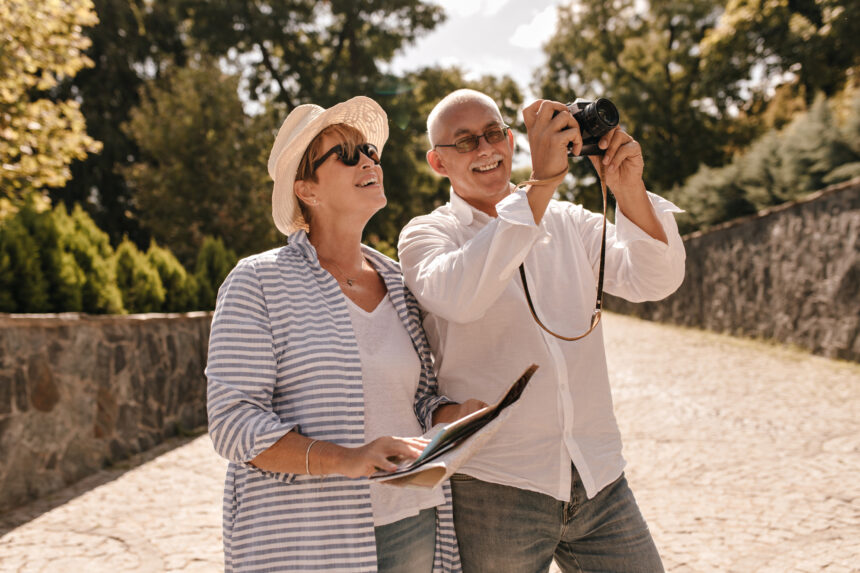
Domestic travel is having a full-on main-character moment in America. And it’s not just “people missed vacations” but a real cultural shift with money, mindset, and mobility behind it.
Domestic Travel Is Surging (and it’s not just “post-pandemic”)
Domestic travel used to feel like the “backup plan.” The thing you do when international flights get expensive, passports expire, or you can’t deal with the stress of crossing borders.
Now it’s the plan.
You can feel it everywhere: packed scenic highways, booked-out cabins, shoulder-season beach towns staying busy longer, and airports that are full even when the vibe is “we’re not leaving the country, we’re just leaving the group chat.”
The simplest explanation is also the most powerful one: people want adventure with fewer unknowns.
The “control” factor: fewer unknowns, more spontaneity
International travel can be amazing, but it often comes with friction: long-haul logistics, extra paperwork, currency surprises, and the classic “I spent half my trip solving problems.”
Domestic travel flips that. You know how the systems work. You know the rules. You can pivot fast.
That’s why the numbers coming out of travel surveys matter. When you see signals like AAA’s 2026 vacation intentions survey, you’re not just seeing “people want to travel.” You’re seeing how people are choosing to travel, and domestic trips win because they feel doable, repeatable, and flexible.
It’s also why weekend trips are getting treated like mini-reinventions. Not “a quick break,” but “a reset with a playlist.”
Why this trend matters (even if you’re not a travel person)
Domestic travel is not only about pretty views. It changes behavior in real ways:
- Local economies get a boost from people spending in smaller towns, roadside stops, and regional “hidden gem” cities.
- Culture shifts because people value experiences over stuff (and they’re getting pickier about what feels worth it).
- Well-being improves when trips feel less exhausting and more restorative.
If you want the clean definition to ground the whole conversation, what “domestic tourism” actually means is the simplest baseline. But the real story is emotional: domestic travel feels like a way to live bigger without burning out.
The Road Trip Renaissance Is the New Main Character
If domestic travel is booming, road trips are the headline act.
This isn’t nostalgia cosplay. It’s strategy. Road trips give you the biggest thing people crave right now: freedom without chaos.
Road trips as the new “affordable luxury”
The American road trip has always been a vibe, but now it’s a lifestyle move. You’re not buying a luxury package. You’re buying time, flexibility, and the ability to make the trip feel like yours.
If you want the BigTrending breakdown that nails the energy and the why, The Road Trip Revival Is Real is basically the manifesto.
And here’s the part people don’t say out loud: road trips feel premium when you do them smart.
Premium is not always price. Premium is:
- not being rushed,
- not being herded,
- not being told your seat is smaller than your dignity.
What’s changed: planning apps, flexible stays, smarter routing
Road trips got upgraded. Not in a “robots everywhere” way, but in a “less friction, more flow” way.
- You plan faster.
- You reroute easily.
- You find better stops.
- You spend less time arguing about directions and more time actually enjoying the ride.
If you want the practical tool stack people actually use, The Travel Apps Americans Swear By is the cheat sheet.
Pro tip that saves trips: pick 2–3 “anchor stops” (the must-see moments), then leave the rest loose. Your best memories tend to live in the unplanned space between them.
America’s Hidden Gems Era (national parks, small towns, underrated cities)
Domestic travel is also booming because Americans are re-learning the truth: the U.S. is ridiculously diverse.
Desert-to-mountain drives. Beach weekends. Forest cabins. Music cities. Food cities. Weird roadside attractions that make no sense but somehow become your favorite photo.
The “hidden gems” era is especially powerful because it reframes travel as discovery, not flexing.
National parks are booming, but you can still do them peacefully
National parks are a key driver of the domestic travel surge, but they come with one major drawback: crowds.
The good news is you’re not helpless. There are real tactics that turn “packed and stressful” into “calm and cinematic.”
If you want the most practical guide for doing it right, start with weekday strategies to beat national park crowds. It’s the kind of advice that saves your trip before it becomes a line-management simulator.
And if you want the official, no-drama baseline for planning, permits, and park info, National Park Service trip planning is the authority you trust.
Mini case study:
Two friends plan Yellowstone on a Saturday in July. They show up at peak hours, hit traffic, fight for parking, and leave feeling like they need a vacation from their vacation.
Same friends plan a national park on a Tuesday morning, start early, pick one main loop, pack food, and spend the afternoon with actual silence. The photos look better too.
The “local discovery” mindset: explore your own state like a tourist
One of the biggest quiet shifts is this: people aren’t waiting for “big trips” to feel alive.
They’re doing “two hours away” trips and treating them like real travel.
That’s the domestic travel glow-up. It’s the permission to say:
- “I don’t need a passport to feel inspired.”
- “I don’t need a week off to feel refreshed.”
- “I just need somewhere new, even if it’s close.”
A TikTok user put it perfectly: “Did a random small-town weekend and it low-key healed me.”
Budget-Friendly by Design (why domestic travel feels financially sane)
A huge reason domestic travel is surging is simple: money is real.
International trips can be incredible, but they can also be a financial event. Domestic travel is easier to scale. You can go big or go light without the whole plan collapsing.
The cost-control levers: gas vs flights, lodging mix, meal strategy
Domestic trips give you levers you actually control:
- Drive instead of fly (or choose shorter flights).
- Split lodging with friends.
- Mix a “nice stay” night with simpler nights.
- Pack breakfast and snacks so you’re not paying premium prices for basic needs.
- Choose shoulder season and weekday travel when possible.
Even broader travel projections point to just how many people are still getting out there and moving around. AAA’s year-end holiday travel forecast is a strong “zoomed out” reminder that domestic movement is massive, especially during peak travel windows.
A Redditor joked: “Domestic travel is the move. Cheaper, easier, and you control the chaos.”
That’s not even a joke. That’s a strategy.
Mini playbook: how to plan a 3-day reset without draining your bank account
Here’s a simple domestic travel blueprint that works for almost anyone:
- Pick a theme, not a destination.
Cozy cabin weekend. Coastal drive. Food city. Mountain air. Live music. Stargazing. Theme makes decisions easier. - Choose the “2-2-2 rule.”
- 2 hours out (or 2 states over if you want bigger)
- 2 planned anchors (one activity, one meal)
- 2 free blocks (wander time)
- Budget with “splurge rules.”
Pick one splurge category:
- lodging, or
- one big meal, or
- one big activity.
Then keep the rest intentionally simple.
If you want a deeper strategy-based angle on how people are stretching their travel lives, How Americans Are Traveling More on Smaller Budgets fits perfectly with this moment.
An X user summed up the mood: “Road trips are back because airports feel like a stress simulator.”
Social Media Is Pouring Gas on the Trend
If domestic travel is the movement, social media is the accelerant.
TikTok, Instagram, and YouTube have turned “where should we go?” into a feed-driven experience. One viral clip of a small town, a scenic overlook, or a hidden beach and suddenly everyone’s like: “Wait, that’s in my state?”
TikTok road-trip culture and the hidden gem loop
TikTok is basically a national travel discovery engine now. You get:
- quick itineraries,
- “best stops” lists,
- budget hacks,
- hidden trails,
- weekend getaways that look unreal.
And because it’s short-form, it makes travel feel accessible. Not “plan a whole production,” but “grab the keys and go.”
If you want a quick hub for more travel angles that match the BigTrending vibe, Travel Archives on BigTrending is the right rabbit hole.
A TikTok user said: “Just had the trip of a lifetime without leaving the country.”
That’s the emotional core of the trend.
How to use social content without copying bad itineraries
Here’s the trick: don’t copy the itinerary, copy the idea.
Social content is great for inspiration, but it can also create herd behavior. Everyone shows up at the same viewpoint at the same time because the algorithm told them to.
Use social media like this:
- Grab 2–3 “must see” spots from videos.
- Then build your own route around timing and flow.
- Add 1–2 off-algorithm stops (local diners, small museums, random scenic pull-offs).
If you want road-trip-specific grounding for this, circle back to The Road Trip Revival Is Real because it reinforces the point: the best road trips are the ones that feel personal, not pre-scripted.
The Takeaway (why you should care even if you’re not a “travel person”)
Domestic travel isn’t just a trend. It’s a mindset shift.
It’s Americans choosing:
- manageable adventure,
- lower friction,
- more frequent “mini lives,”
- and experiences that feel real.
And the best part is this: you don’t have to be a travel influencer to benefit from it. Domestic travel can be a simple, powerful habit. A reset button. A way to make your year feel bigger.
If you want to put a bow on what this movement actually is at a cultural level, what “domestic tourism” actually means helps frame the bigger story: travel is no longer just escape, it’s identity, wellness, and rhythm.
FAQ
1) Why is Domestic travel surging right now?
Domestic travel is surging because it feels easier to plan, easier to afford, and easier to control. People want adventure without added friction, and domestic trips deliver that.
2) Is Domestic travel cheaper than international travel?
Often, yes. Domestic travel lets you adjust costs with more control, like driving instead of flying, choosing shorter stays, and mixing budget-friendly lodging with one splurge moment.
3) What are the best Domestic travel ideas for a quick weekend?
For Domestic travel weekends, go theme-first: a coastal drive, a cabin reset, a music city, or a small-town “hidden gem” loop. Two anchor activities plus flexible wander time is the sweet spot.
4) How do I avoid crowds while doing Domestic travel to national parks?
To avoid crowds with Domestic travel to parks, prioritize weekdays, start early, and plan one main loop instead of trying to do everything. Avoid peak hours and use official park info for timing and closures.
5) What should I pack for Domestic travel road trips?
For Domestic travel road trips, pack water, snacks, layers, chargers, offline navigation backups, and comfort items that reduce stress. The goal is fewer “emergency stops” and more smooth momentum.