Food labs are quietly changing how America cooks, eats, and experiments with flavor. What started on wheels with food trucks has evolved into full-scale culinary laboratories where chefs prototype dishes the way startups test products.
From Food Trucks to Food Labs
Food trucks taught chefs how to move fast. Limited space, small menus, and direct customer feedback forced rapid iteration long before the term “rapid prototyping” entered the food world.
Food labs take that same mindset indoors. Instead of adapting on the street, chefs now experiment in controlled environments designed for testing, tweaking, and scaling ideas quickly. This shift mirrors broader innovation trends explored in Where Technology Meets Human Ingenuity.
What Exactly Is a Food Lab?
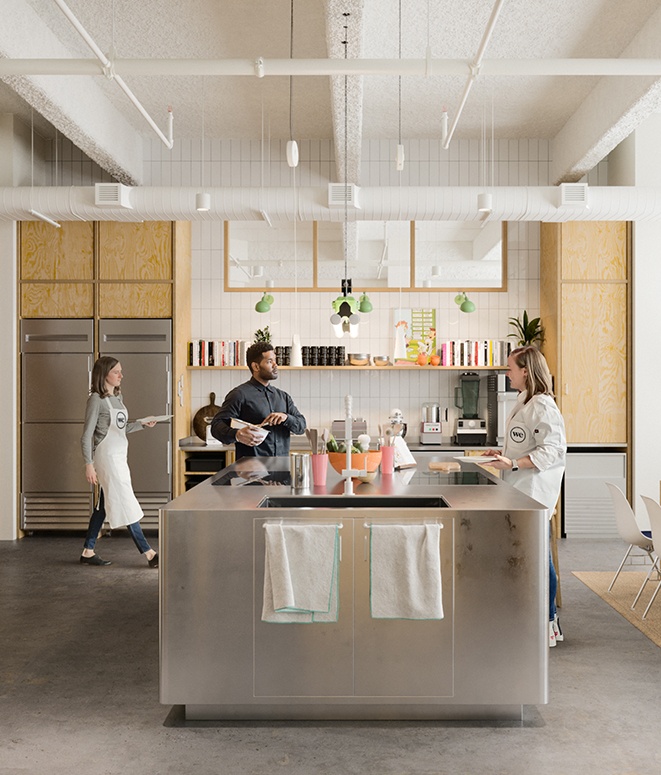
A food lab is not just a modern kitchen. It is a hybrid space where culinary creativity meets scientific process.
Chefs, food scientists, designers, and technologists collaborate to test ingredients, textures, flavors, and preparation methods. Recipes are treated as prototypes, adjusted repeatedly until they meet taste, cost, and sustainability goals.
According to Forbes, food labs are becoming essential for restaurants and food brands looking to innovate faster without risking full-scale rollouts.
How Rapid Prototyping Works in the Kitchen
Small Batches, Fast Feedback
Instead of perfecting a dish over months, food labs test small batches daily. Feedback comes from tastings, internal teams, and sometimes invited guests. Ideas that fail are discarded quickly. Successful ones move forward.
Iteration Over Tradition
Traditional kitchens rely on perfected recipes. Food labs rely on constant change. Each version is slightly different, informed by data, observation, and experimentation.
This process borrows heavily from tech culture, where iteration beats perfection.
Technology Stirring the Pot
Modern food labs are packed with tools that would have seemed futuristic a decade ago.
3D food printers allow chefs to experiment with shapes and textures. AI models help predict flavor pairings. Sensors monitor temperature, moisture, and consistency with extreme precision.
As Wired reports, kitchens are becoming data-driven environments where creativity and computation coexist.
Why America Is Embracing Food Labs
Food labs fit the American appetite for novelty and innovation. Consumers want new flavors, sustainable options, and transparency about what they eat.
They also reflect a cultural shift toward intentional experiences, similar to the mindset behind The Digital Detox Challenge: Unplugging Is the New Glow-Up. People want fewer, better things. Food labs allow chefs to refine before scaling.
Social Media Fuels the Fascination
Food labs thrive on visibility.
On TikTok, behind-the-scenes clips of experimental kitchens rack up millions of views. Reddit discussions dive into the science behind textures and fermentation. On X, food tech enthusiasts debate whether labs represent the future of dining.
This curiosity helps normalize experimentation and turns food innovation into entertainment.
The Business Impact of Food Labs
For restaurants and food brands, food labs reduce risk. Instead of launching untested menu items nationwide, concepts are refined in controlled settings.
MIT Technology Review highlights how this approach lowers R&D costs while speeding up innovation cycles, making food labs attractive even beyond high-end restaurants.
Are Food Labs Replacing Traditional Kitchens?
Not at all.
Culinary labs complement traditional kitchens rather than replace them. The lab is where ideas are born. The restaurant is where they are refined emotionally and culturally.
The New York Times notes that diners still crave human connection and atmosphere, elements no lab can replace.
What the Future Kitchen Looks Like
Culinary labs suggest a future where kitchens are flexible, modular, and experimental. Menus may change faster. Ingredients may be more sustainable. Chefs may spend as much time testing as cooking.
The American kitchen is becoming a place of constant evolution, shaped by technology but grounded in taste.
FAQ
What is a food lab?
A food lab is a space where chefs and technologists experiment with ingredients and techniques to rapidly prototype new dishes.
How is rapid prototyping used in food?
Chefs test small batches, gather feedback, and iterate quickly instead of relying on fixed recipes.
Are food labs open to the public?
Some offer tastings or collaborations, while others operate behind the scenes for restaurants and brands.
Will food labs change how we eat?
They already are, by accelerating innovation and making experimentation a core part of food culture.