


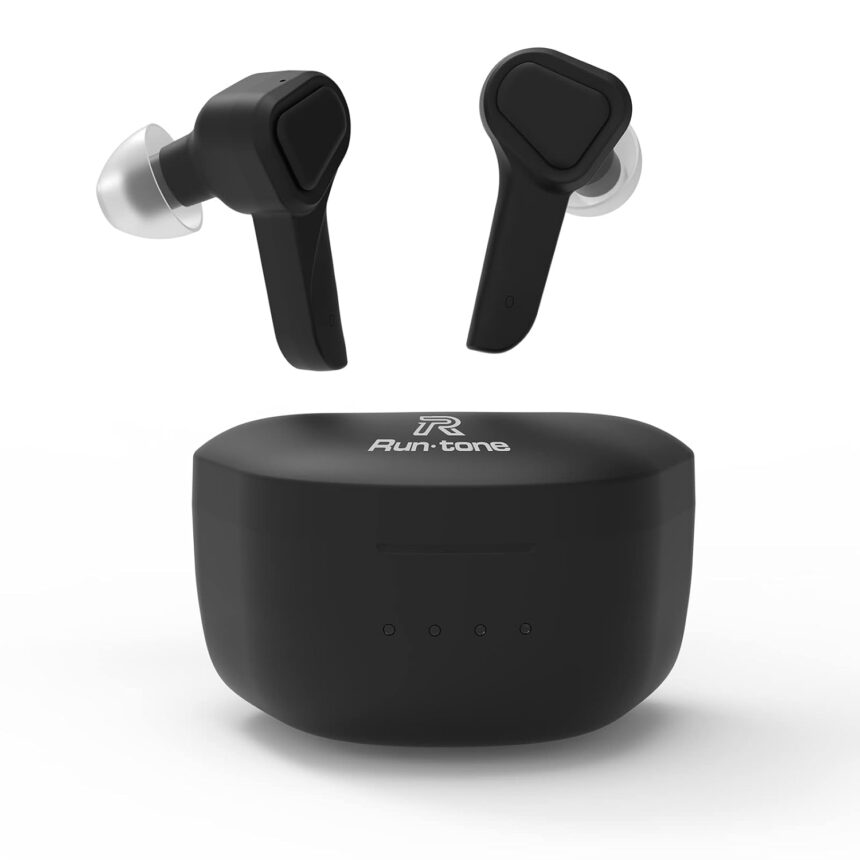
Your earbuds are no longer just about playlists and podcasts. Health monitoring earbuds are quietly transforming how personal health data is tracked, turning something you already wear every day into a powerful wellness tool.
The Quiet Revolution in Hearing Tech
For years, smartwatches dominated the wearable health conversation. Now, earbuds are stepping into the spotlight. Thanks to advances in sensor miniaturization and AI-driven analytics, health monitoring earbuds are evolving from audio accessories into serious biometric devices.
This shift mirrors a broader tech pattern BigTrending has explored in how automation quietly reshapes everyday work, where the biggest changes happen without much noise.
Why the Ear Is a Perfect Health Data Hub
The ear offers unique advantages. Blood flow is stable, skin is thin, and sensors sit close to vital signals. That makes in-ear measurements like heart rate, body temperature trends, and blood oxygen levels more consistent than wrist-based tracking in many situations.
Researchers highlighted by MIT Technology Review on in-ear biometric sensors suggest that earbuds could eventually rival clinical-grade devices for continuous monitoring.
How Health Monitoring Earbuds Actually Work
Inside these earbuds are optical sensors, accelerometers, and sometimes microphones tuned to detect internal body sounds. Combined with machine learning, they translate subtle physiological signals into usable health insights.
Unlike smartwatches, earbuds are often worn for hours at a time during calls, commutes, or workouts, enabling passive, always-on data collection.
How They Compare to Smartwatches
Health monitoring earbuds excel in three areas:
- Discretion: no screens, no constant checking
- Accuracy: stable sensor placement inside the ear
- Convenience: health tracking without changing habits
According to Wired’s deep dive into earbuds becoming health wearables, this passive approach may be what finally pushes wearable health into the mainstream.
Big Tech Is Betting on Your Ears
Major players see the opportunity clearly. Apple, Bose, and others are investing heavily in health-focused audio technology, blending sound quality with medical-grade ambition.
The strategy aligns with broader ecosystem plays BigTrending has analyzed in Apple Vision Pro and the rise of immersive personal tech, where hardware becomes a gateway to deeper data-driven services.
As reported by The New York Times on Apple’s health-focused AirPods strategy, ear-based health data could soon be as important as step counts or sleep scores.
Social Buzz Around Health Monitoring Earbuds
User reactions show a mix of excitement and curiosity.
TikTok reaction:
“These health monitoring earbuds feel like the future sneaking into my ears. I forget they’re even tracking anything.”
Reddit post from r/wearables:
“I stopped wearing my smartwatch on workdays. The earbuds handle health tracking without the distraction.”
X user reaction:
“Health monitoring earbuds make more sense than another screen on my wrist. Quiet tech wins.”
The enthusiasm reflects growing trust in wearables that blend seamlessly into daily life.
What Comes Next for Hearing Tech and Health
The roadmap goes far beyond heart rate. Future health monitoring earbuds could detect early signs of fatigue, stress, irregular breathing, or even illness onset.
According to Forbes’ analysis of multipurpose consumer health devices, the real value lies in long-term trend tracking, not isolated data points.
As sensors improve and regulations evolve, earbuds may become a frontline tool in preventive healthcare rather than just a lifestyle gadget.
Why Health Monitoring Earbuds Matter More Than You Think
This is not about replacing doctors or medical devices. It is about lowering the barrier to understanding your own body. Health monitoring earbuds turn passive listening time into meaningful health awareness.
Quietly, without flashy screens or constant notifications, they may become one of the most impactful shifts in wearable tech this decade.
FAQ
What are health monitoring earbuds?
They are earbuds equipped with sensors that track health metrics like heart rate, temperature trends, and blood oxygen levels.
How accurate are health monitoring earbuds?
In-ear placement allows for stable, consistent readings that can rival or complement smartwatch data.
Are health monitoring earbuds better than smartwatches?
They are different. Earbuds excel in discretion and passive tracking, while smartwatches offer more interactive features.
Which companies are leading this hearing tech trend?
Apple, Bose, and several health-focused startups are pushing innovation in this space.


