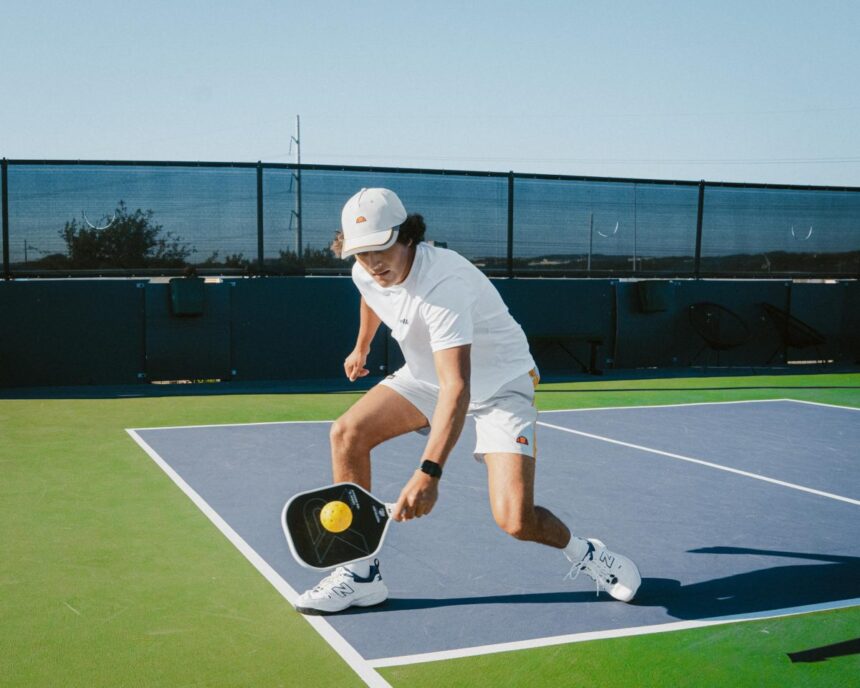
A professional pickleball league is no longer a hypothetical future. It is here, it is funded, and it is already changing how America’s local courts operate. What started as a casual, community-first game is now stepping into the same spotlight once reserved for traditional pro sports.
Pickleball’s Leap From Backyard Game to Pro Sport
Pickleball spent years in a strange cultural limbo. It was wildly popular, yet rarely taken seriously. That disconnect is gone.
Participation numbers surged faster than parks could repaint lines. Weekend players became daily regulars. Then sponsors, broadcasters, and investors followed. This is the same pattern seen in other emerging sports, and it explains why Pickleball Craze: Why Everyone From Teens to Tom Brady Is Obsessed captured the moment before professionalization became inevitable.
Going pro did not create pickleball’s popularity. It formalized it.
What a Professional Pickleball League Actually Is
A professional pickleball league is not just a collection of tournaments with bigger prize money. It introduces structure.
Teams are contracted. Seasons are scheduled. Rankings are standardized. Media rights are negotiated. Players are treated as athletes with training regimens, coaches, and performance expectations.
That framework mirrors how other modern leagues scaled, as detailed in The business of professional pickleball. The league model brings legitimacy, but it also brings consequences.
Why This League Changes Local Courts
Court Access and Scheduling Pressure
Local courts feel the impact first. Demand spikes. Prime hours fill faster. Casual drop-in play competes with league practices and clinics.
Cities are already responding by converting tennis courts, adding dedicated pickleball facilities, or expanding hours. This reflects broader growth trends highlighted in Pickleball’s rapid rise across the U.S..
Skill Gaps and Intimidation
As pro-level play becomes visible, some recreational players feel pushed out. Not because they are unwelcome, but because the environment feels more competitive.
That tension is common in fast-growing sports. It forces communities to clearly separate recreational and competitive spaces.
Municipal and Park System Adaptation
Parks departments now treat pickleball as infrastructure, not a fad. Budget planning, noise mitigation, lighting, and scheduling all shift once a sport goes professional.
Who Benefits Most From Pickleball Going Pro?
Competitive players benefit immediately. Pathways exist where none did before. Sponsors gain a fast-growing, cross-generational audience. Cities benefit from tournaments, tourism, and year-round court usage.
This mirrors trends seen in women’s sports and alternative leagues, where legitimacy unlocked funding and attention, as explored in Womens Sports Boom: How 2025 Is Proving It’s Not Just a Man’s Game.
Casual players benefit more indirectly, through better facilities and broader awareness.
Social Reactions Show a Split Community
On TikTok, the tone is optimistic. Players post highlight clips with captions like “from park courts to pro dreams” and celebrate visibility.
Reddit tells a different story. Threads debate overcrowding, lost casual culture, and whether proization risks alienating beginners.
On X, disbelief dominates. Many users are shocked pickleball reached this level so quickly, then quietly admit it makes sense.
That cultural divide is typical of emerging leagues, as analyzed in Why emerging sports leagues are booming.
Is Pickleball Becoming the Next American League Sport?
Not yet. Pickleball lacks centralized governance and long-term media contracts. Game formats are still evolving. Player longevity remains untested.
But the trajectory feels familiar. The early MLS years, the WNBA’s recent resurgence, even esports followed similar paths. Professionalization does not guarantee permanence, but it creates the conditions for it.
The Tech and Media Future of Pro Pickleball
Technology will accelerate the shift. Streaming-first coverage, real-time stats, smart paddles, and fan-facing analytics are already emerging.
These tools matter because pickleball audiences skew digital. That alignment is why How technology is reshaping modern sports applies so cleanly to pickleball’s future.
What This Means for the Future of Local Pickleball
Local pickleball is not disappearing. It is evolving.
Communities that invest early will create clear lanes for casual play, competitive leagues, and youth development. Those that do not risk overcrowding and frustration.
The professional pickleball league is not the end of community courts. It is a stress test of how adaptable they are.
FAQ
What is a professional pickleball league?
It is a structured league with contracted teams, scheduled seasons, and standardized competition at the highest level of the sport.
How does a professional pickleball league affect local courts?
It increases demand, visibility, and pressure on court access, often leading cities to expand or reorganize facilities.
Can amateur players go pro in pickleball?
Yes. Most leagues scout through tournaments, rankings, and open qualifiers.
Is pickleball becoming a major U.S. sport?
It is moving in that direction, but long-term success depends on governance, media deals, and sustainable growth.