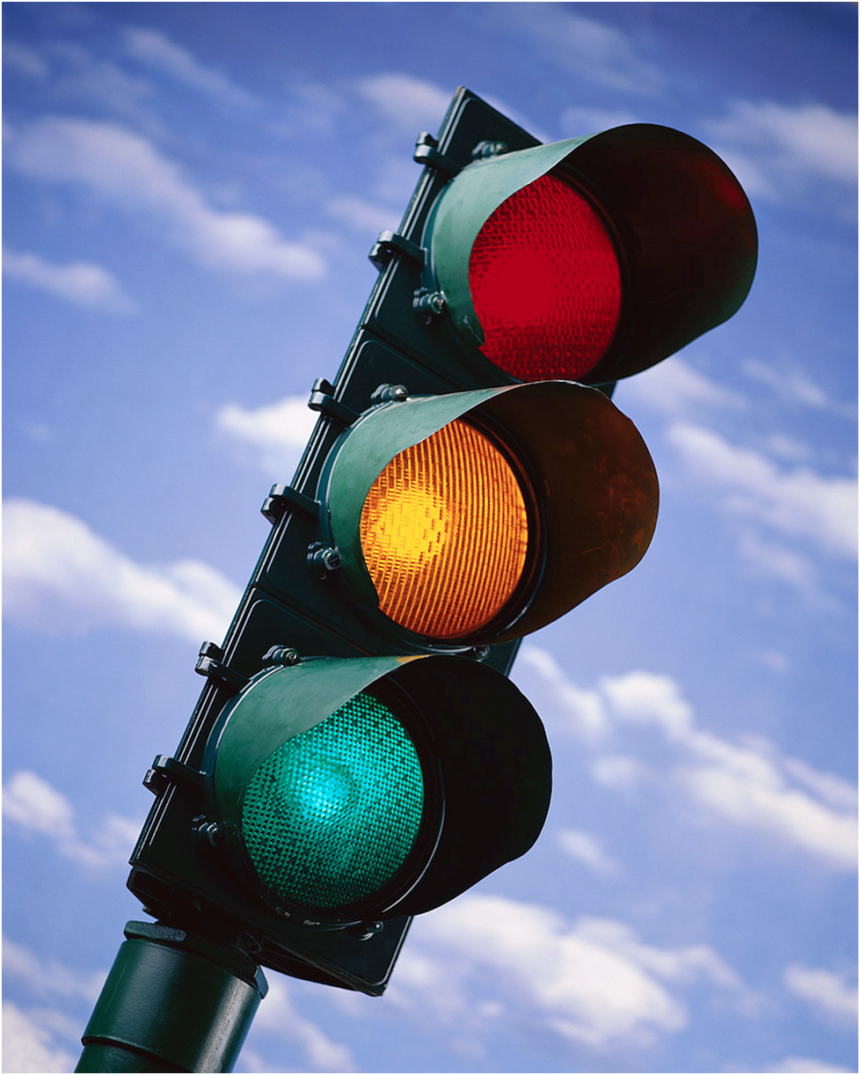
Quantum sensors traffic lights sound like something pulled from a sci-fi script. Yet in several cities, they are already being tested, quietly changing how intersections behave and how traffic moves through urban space.
Why Quantum Sensors Are Entering City Streets
Urban traffic systems were built for a different era. Population density was lower, traffic patterns were simpler, and delays were accepted as normal. Today, congestion costs cities billions in lost time, fuel, and productivity.
Traditional sensors struggle in this environment. Cameras miss vehicles in bad weather. Road loops fail over time. Fixed schedules cannot adapt fast enough. Quantum sensors traffic lights enter the picture because they measure movement, rotation, and magnetic fields at an atomic scale, delivering precision that older systems simply cannot match.
This evolution fits into a broader trend of smarter, less visible infrastructure, similar to themes explored in Big Brother in the Office: The Rise of Employee Surveillance, where sensing happens quietly in the background.
What Makes Quantum Sensors Different From Traditional Sensors
Quantum sensors do not rely on images or physical pressure. They detect extremely small physical changes using quantum effects.
That means traffic systems can understand flow rather than snapshots. Instead of reacting after congestion appears, signals can anticipate how traffic is building and adjust before intersections choke.
This leap from reactive to predictive infrastructure is what separates quantum sensors traffic lights from earlier smart traffic upgrades.
How Quantum Sensors Transform Traffic Lights
Real-Time Awareness at Every Intersection
With quantum sensors, traffic lights gain lane-by-lane awareness. They can detect subtle shifts in traffic density, speed, and direction, even when visibility is poor.
Adaptive Timing Beats Fixed Schedules
Traditional lights follow preprogrammed cycles. Quantum-enhanced systems constantly adapt. Green lights last longer where traffic is building and shorten where roads are clearing. The system reacts instantly, not minutes later.
Smarter Signals, Less Waiting
When quantum sensors traffic lights are paired with adaptive software, the effects compound.
Waiting times drop because signals respond to actual conditions, not averages. Pedestrians and cyclists are detected more accurately, improving safety at complex intersections. Reduced idling cuts fuel waste and emissions, easing environmental pressure in dense neighborhoods.
This sensitivity is explained clearly in How quantum sensors are moving from labs to cities, where researchers highlight how atomic-scale measurements unlock entirely new capabilities for infrastructure.
Test Cities and Early Results
Pilot programs in parts of Europe and North America are already underway. Early results point to smoother peak-hour flow, fewer sudden stops, and reduced congestion at known bottlenecks.
These experiments align with the idea that cities function best when technology supports people instead of forcing behavior changes, a concept BigTrending has explored in Where Technology Meets Human Ingenuity.
Social Buzz Around Quantum Traffic Tech
Public reaction is notably pragmatic.
On Reddit, commuters focus on time savings, with comments like, “If this cuts ten minutes off my commute, I’m sold.” TikTok leans into wonder, framing quantum traffic lights as real-world science fiction finally showing up. On X, users describe the upgrade as understated but potentially transformative.
These reactions reflect growing comfort with invisible technology that improves daily routines without adding friction.
The Bigger Picture for Quantum Technology
Traffic management is only the beginning. Quantum sensors are also being explored for navigation systems, infrastructure monitoring, and environmental measurement.
As Quantum sensing applications beyond computing explains, once the technology proves reliable outside laboratories, adoption tends to spread quickly across sectors.
Public acceptance matters too. According to Smart city technology and public trust, people are far more supportive when systems deliver clear safety and efficiency benefits without overt surveillance.
Why Quantum Sensors Traffic Lights Matter
This is not just about moving cars faster. Smarter traffic lights mean fewer accidents, cleaner air, and less daily stress for millions of commuters.
Quantum sensors traffic lights represent a shift toward predictive cities, where infrastructure responds before problems escalate. If pilot programs continue to deliver results, this quiet upgrade could become one of the most impactful urban innovations of the decade.
FAQ
What are quantum sensors?
Quantum sensors use principles of quantum mechanics to measure physical changes with extreme precision.
How do quantum sensors improve traffic lights?
They provide real-time, highly accurate traffic data that allows signals to adapt instantly to conditions.
Are quantum sensor traffic systems already in use?
They are currently being tested in pilot programs in several cities.
Can quantum sensors reduce congestion and emissions?
Yes. Smoother traffic flow reduces idling, fuel consumption, and overall congestion.