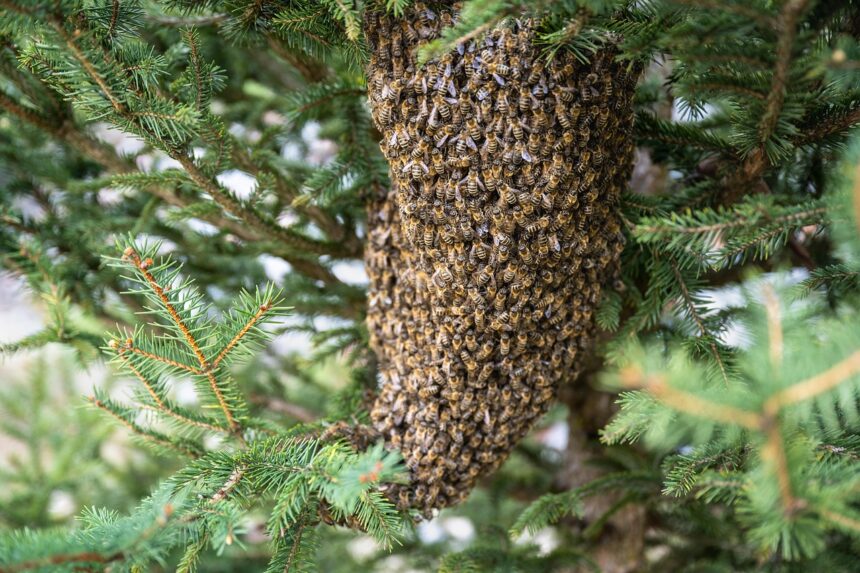
Bees in the city? Oh yes—rooftops and pocket parks are turning into mini pollination powerhouses. Here’s how urban beekeeping is reshaping local food, what can go wrong, and the smart way to build a bee-friendly city that actually feeds people.
Urban Beekeeping, Explained (No Honey-Coating)
Let’s get the basics straight. urban beekeeping is the practice of keeping honey bee colonies within city limits—on rooftops, balconies, community gardens, and corporate campuses. The surprise twist? Many cities offer a richer buffet of blooms than monocropped rural landscapes. Parks, street trees, window boxes, and community gardens create a patchwork of forage with different species flowering at different times. That means steadier nectar flows and a longer season.
At the same time, “more hives everywhere” isn’t a strategy. The goal isn’t to wallpaper cities with boxes; it’s to balance managed honey bees with habitat for wild pollinators, support community growers, and strengthen local food systems without stressing urban ecology.
Why Cities Are a (Surprising) Oasis for Bees
Diet Diversity, Warmer Microclimates, Fewer Farm Pesticides
Cities run warmer than their outskirts thanks to the heat-island effect, which can lengthen the foraging season by weeks. Mixed plantings—ornamental trees, park meadows, sidewalk planters—add dietary diversity that supports steadier colony health than single-crop areas. If you’re designing for food resilience, that matters: a steady nectar flow helps colonies maintain strength during key bloom windows for fruits and veg.
For the bigger picture of why bees underpin food systems, bookmark the FAO on why bees matter. Pollination isn’t just romantic—it’s core infrastructure for everything from apples and cucumbers to seed production.
From Rooftops to Pocket Parks: Real Urban Examples
Across North America and Europe, buildings are pairing hives with native plantings and water features. In the U.S., high-rises and multifamily buildings are experimenting with management plans and signage so residents, facilities teams, and beekeepers stay in sync. Check how NYC rooftops help hives thrive—it’s a great model for aligning property managers, landscape designers, and local beekeeping clubs.
“Never thought my apartment roof could help feed the neighborhood.” — a TikTok user
Risks & Trade-Offs: Not Every Hive Belongs on Every Block
Forage Pressure and Native Pollinators
Here’s the hard truth: unmanaged enthusiasm can backfire. Too many honey bee colonies in a small radius increase competition for nectar and pollen, potentially squeezing wild pollinators that also keep city flora humming. Ecologists have flagged carrying-capacity concerns; see ecologists’ concerns about rooftop honeybee programs for a sober, science-forward reality check.
The fix isn’t to abandon hives; it’s to right-size density and plant for everyone. Pair each new hive with native flowering habitat, continuous bloom from early spring through fall, and clean water sources. When demand outstrips forage, plant more—don’t just stack another box.
Good Citizen Beekeeping (Regulations, Neighbors, Safety)
Cities differ on what’s allowed, how many colonies per lot, and how close boxes can be to property lines. Responsible keepers register when required, place hives behind parapets or screens to lift flight paths above heads, provide year-round water, manage swarms, and keep records. That last bit matters: good notes on treatments, mite counts, and honey pulls protect bees—and neighbors.
“Love the honey, but please plant more natives before adding more hives.” — a Redditor
Food Supply Wins (When It’s Done Right)
Pollination Gains for Community Gardens & Urban Farms
A well-sited hive can boost fruit set in community gardens and market farms, improving yield and uniformity in tomatoes, squash, cukes, berries, and seed crops. The effect is hyperlocal: better pollination where the bees actually fly. Urban growers measure the wins in fuller harvest boxes, steadier CSA shares, and fewer misshapen fruits.
To place urban beekeeping in the wider future-of-food story, think in portfolios. Lab, indoor, regenerative, and rooftop—all are tools. If you’ve followed lab-grown coffee as a parallel food innovation on BigTrending, you know adoption curves are real: we experiment, measure, and then scale what works.
Traceable City Honey and Building ESG Goals
Local honey isn’t just delicious; it’s a story with provenance. Buildings and campuses are now bundling jars with tenant events and ESG reports, connecting residents to the landscape above their heads. Provenance also begs better labeling and traceability—exactly where digital sustainability tools shine. If your chef or facilities team is chasing credible eco-claims, peek at sustainability transparency with digital product passports to see how product data can travel with each jar, from rooftop to retail.
“Our building hit LEED goals faster once we paired hives with pollinator gardens.” — an X user
Watch: Rooftop Hives in Action
You saw the video at the top, but it’s worth a close look at WIRED’s rooftop beekeeping video for how keepers integrate water sources, wind buffers, and planting plans right next to skylights and vents. The takeaway: it’s a design exercise as much as an apiary one.
Starter Kit for City Beekeepers (and Building Managers)
- Check your local regs. Know caps on colony counts, registration steps, and setback rules.
- Start small. One or two colonies is plenty while you learn flight paths, forage, and seasonal rhythms.
- Plant for bloom continuity. Early spring willows → summer perennials → fall asters and goldenrod. Mix native species.
- Provide water year-round. Shallow dishes with pebbles or floating corks keep bees safe and hydrated.
- Lift the flight path. Place hives behind parapets or screens so bees fly up and over human traffic.
- Manage swarms and mites. Inspect regularly, keep notes, and join a mentor program.
- Be a neighbor. Post contact info, host a roof walk-through, and share honey at season’s end.
- Log your data. Bloom dates, colony strength, honey pulls—these feed better planting choices next year.
The 2025 Reality Check: Balance the Hive
Urban beekeeping is not a silver bullet for food security—but it’s a sharp, scalable tool when paired with habitat and education. The best programs do three things at once:
- Feed the city with better-pollinated gardens and micro-farms.
- Teach the city with hands-on ecology (schools, libraries, rooftops).
- Heal the city by stitching green corridors through concrete.
If a city wants resilient food systems, it should invest first in flowering streetscapes, pocket meadows, and tree diversity—then layer in well-managed hives where they add value. It’s the difference between chasing vibes and building a pollination infrastructure that lasts.
FAQ
Is urban beekeeping safe around kids and pets?
Yes—if hives are placed thoughtfully (screened, elevated flight paths) and water is provided nearby, urban beekeeping can coexist peacefully with playgrounds and patios.
Does urban beekeeping really improve local food supply?
It can. Strong colonies placed near community gardens and urban farms often improve fruit set and quality, making urban beekeeping a practical ally for neighborhood produce.
What about wild pollinators—do honey bees push them out?
Density matters. Overcrowding can create competition. That’s why right-sizing colonies and planting for native pollinators alongside urban beekeeping is the responsible approach.
How do I get started with urban beekeeping?
Join a local beekeeping club, take a beginner course, and confirm city rules. Start with one colony, track data, and grow only when your forage plan supports it—urban beekeeping rewards patience.
Can buildings use urban beekeeping for ESG goals?
Absolutely. Pairing hives with native plantings and transparent sourcing can support building certifications and storytelling—especially if you leverage tools like sustainability transparency with digital product passports.