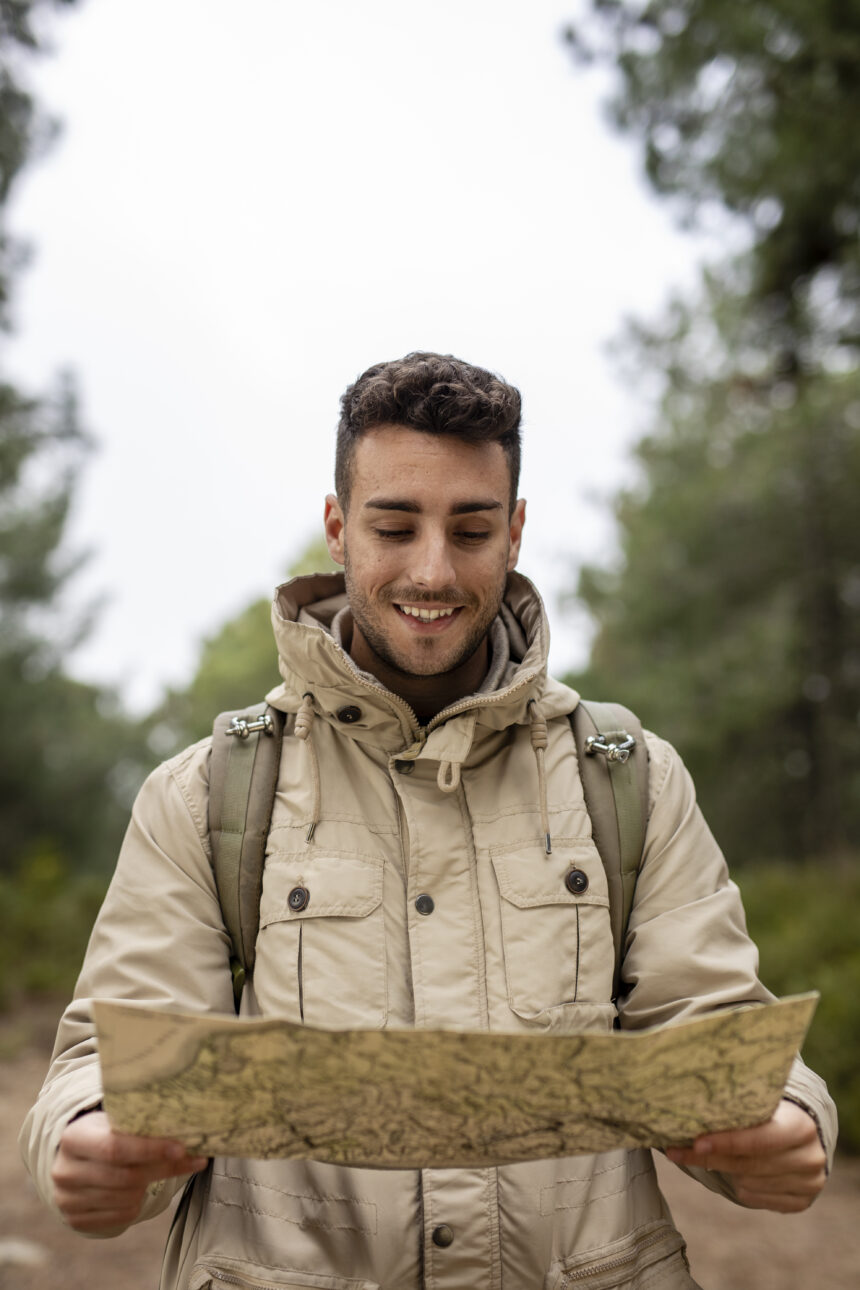
Urban hiking turns your everyday map into a mini-adventure with zero car drama and 100% city magic. Two hours, a good loop, and suddenly your neighborhood feels brand-new.
Urban hiking, defined (and why it’s trending) 🌆
Urban hiking is the art of weaving parks, stairways, greenways, murals, bridges, and waterfronts into a single on-foot loop—no shuttle, no trailhead traffic, no “did we miss the exit?” panic. It’s hiking that respects your schedule and your sneakers. Because most routes blend sidewalks with soft paths, you get variety underfoot, skyline views above, and frequent snack breaks within striking distance (essential).
So, why is it popping off? Access. When more residents live within a 10-minute walk of a park, “go outside” becomes the default plan, not a weekend wish. The ParkScore® report benchmarks how well U.S. cities deliver that access—so if you’re wondering why your friend in Minneapolis won’t shut up about lakeside loops, there’s data behind the brag. For a quick snapshot of who’s winning right now, check out the cities with the best parks in 2025—it’s a handy cheat sheet for trip planning and “maybe I should move there” daydreaming.
Real people are already in on it:
- TikTok user: “Urban hikes got me outside without the mega commute. Love it.”
- X user: “Swapped brunch for a stairway walk—instant mood lift.”
Hidden urban hiking gems you haven’t tried yet ✨
Some of the coolest urban hikes were never designed as “hikes” at all. They’re reclaimed railways, utility corridors turned greenways, or canyon paths hiding in plain sight.
New York’s High Line — rails-to-trails with skyline views
Once an elevated freight line, the High Line is now a floating garden that threads through art installations and glassy architecture. The magic is in the contrast: native plants softening steel rails, city noise dropping to a hush, and vantage points that turn every cross street into a postcard. Go early for calm—then finish with coffee in Chelsea, or add Little Island for a compact “wow” loop.
Seattle’s Burke-Gilman Trail — water, neighborhoods, and history
The Burke-Gilman Trail runs like a spine through Seattle’s north side. You’ll cruise past boatyards, houseboats, leafy neighborhoods, and student energy near UW. It’s flat and forgiving, making it perfect for mixed groups. Bonus: frequent waterfront detours and brewery-adjacent finish lines that pair well with soft pretzels and victory photos.
LA’s Runyon Canyon — quick climbs and celeb sightings
If you want elevation without leaving town, Runyon Canyon Park is LA’s fast track to views. Expect dusty switchbacks, energy on the trail, and panoramas that flip your internal compass—Hollywood Sign one way, the Pacific glimmer the other. Bring water, embrace the sun, and plan a stretch at Inspiration Point.
Build your own city loop (fast planning tips) 🗺️
You don’t need a printed guide or a tour group. Here’s the 10-minute method to craft a satisfying 60–120 minute route:
- Pick your anchor park. Start where restrooms, water fountains, shade, and transit converge. ParkScore winners tend to have these dialed. Cross-reference with best U.S. urban areas for walking and hiking to spark city ideas.
- Chain features. Connect a waterfront promenade to a mural alley, then a stair street to a pocket park. Visual variety = route delight.
- Close the loop with treats. End near an independent café, food truck hub, or weekend market. Your future self wants cold brew.
- Timebox the walk. A comfortable pace is about 18–20 minutes per mile, slower on stairs and photo-heavy segments.
- Save offline. Download the map in advance so your phone doesn’t ghost you in underpasses or dense cores.
Social proof:
- Redditor: “Mapping a loop around murals + waterfront made the city feel new again.”
Gear up without overpacking 🎒
Urban hiking keeps it simple. You’re not summiting, you’re city-savoring.
- Comfortable walking shoes. Cushion over clout—your calves will thank you.
- Reusable water bottle. Bubblers and cafés are plentiful; skip single-use.
- Sun protection. Urban canyons trap heat; a cap and SPF go a long way.
- Light layer + reflective touch. Microclimates are real; so is dusk traffic.
- Offline map + transit card. Cut detours and bail gracefully if rain hits.
- Tiny repair kit. Bandaid, tape, and a spare lace can save the day.
Wellness angle — unplugging while staying local 🧘
Urban hiking nudges your brain out of the scroll and into discovery mode. New textures (brick to boardwalk), new perspectives (rooftops to river bends), and novelty on a familiar street all add up to a mood reset. If you’re craving a structured break from screen time, our digital detox challenge pairs perfectly with a weekly loop—set a no-notifications window and let your feet lead.
Sample 90-minute itineraries in NYC, Seattle, and LA 🕘
NYC: Chelsea → the High Line → Little Island loop
- Why you’ll love it: Elevated gardens, art peeks, river breezes.
- Route idea: Start in Chelsea Market (restrooms + snacks), head up to the High Line (enter at 14th or 23rd), stroll south with pauses at overlooks, exit near Little Island for a compact scenic detour, then finish with coffee on Washington Street.
- Pro tips: Go early to beat crowds; weekday mornings are bliss. Keep an eye on seasonal plantings and rotating installations.
Seattle: Fremont Cut → UW waterfront → Burke-Gilman segment
- Why you’ll love it: Boats, bridges, and campus quads in one go.
- Route idea: Start near the Fremont Bridge, follow the Ship Canal east with water on your right, detour through UW’s cherry tree corridors (spring is unreal), then rejoin the Burke-Gilman Trail for a breezy return.
- Pro tips: Watch for cyclists and keep right; this corridor is a beloved shared space. Sunset light on the Cut is chef’s kiss.
Los Angeles: Fuller Gate → Inspiration Point → Runyon Canyon Park loop
- Why you’ll love it: Fast elevation for big views.
- Route idea: Enter via Fuller Avenue, ascend to Inspiration Point, descend the alternative loop for variety, and exit back to the neighborhood for smoothies.
- Pro tips: Pack extra water; shade can be elusive. Trails are popular—step aside on narrow sections and let speedsters pass. Plan to spot at least three dogs living their best lives.
Safety + etiquette for city trails 🚦
Urban hikes knit together many types of public space, which means extra awareness keeps things smooth for everyone.
- Be visible. Reflective accents, especially if you’ll finish at dusk.
- Tune in, not out. One earbud or low volume—bikes and runners share paths.
- Stick to marked routes. Construction zones and private drives are not detours.
- Read the room. Give right of way on stairs; yield to folks moving faster.
- Pack your patience. Tourists pause, locals hustle, kids zigzag. It’s part of the tapestry.
- Leave it better. Trash and micro-litter (yes, receipts) count—pocket and bin them later.
The 5-stop formula for a great loop (works in any city)
- Gateway: Transit stop + restrooms + water
- Green: Park path or tree-lined block
- Icon: Bridge, viewpoint, mural, or historic plaque
- Calm: Waterfront, garden, or quiet side street
- Treat: Coffee window, bakery, farmers market
Run it forward: once you crack your first loop, remix it with a new anchor or reverse direction. Familiar becomes fresh.
Urban hiking + community: small steps, big ripple
City walks aren’t just good for you—they’re good for neighborhoods. Loops that highlight local art, mom-and-pop cafés, and public spaces add foot traffic where it matters. Share your route map with friends, invite a neighbor, or set up a monthly “first-Saturday loop.” Momentum builds culture.
- TikTok user: “Urban hiking is my new weekend ritual—cheap, social, and scenic.”
FAQ: Urban Hiking Essentials
What is urban hiking?
Urban hiking blends classic hiking behaviors—exploring, route-making, and nature breaks—with city infrastructure. In this guide, we use urban hiking to describe looped walks that stitch parks, greenways, and sidewalks into one satisfying route.
Where can I find urban hiking trails near me?
Start with a 10-minute walk radius around a large park, then look for connectors like riverwalks or stair streets. Park access leaders in the ParkScore® report often have excellent maps, and city tourism sites keep route ideas fresh.
Do I need special equipment for urban hiking?
No. Comfortable shoes, water, sun protection, and an offline map will carry you through. If your route has hills or stairs (looking at you, Runyon Canyon Park), consider lightweight trekking poles.
Why is urban hiking so popular now?
Convenience + novelty. You can start from a bus stop and still get skyline views, waterfront breezes, or rail-to-trail gardens like the High Line—all without burning half your day in traffic.
What’s a good first urban hiking route length?
Aim for 60–90 minutes. Use a flat segment of the Burke-Gilman Trail or a favorite riverwalk to build confidence, then add a stairway or hill for variety.