


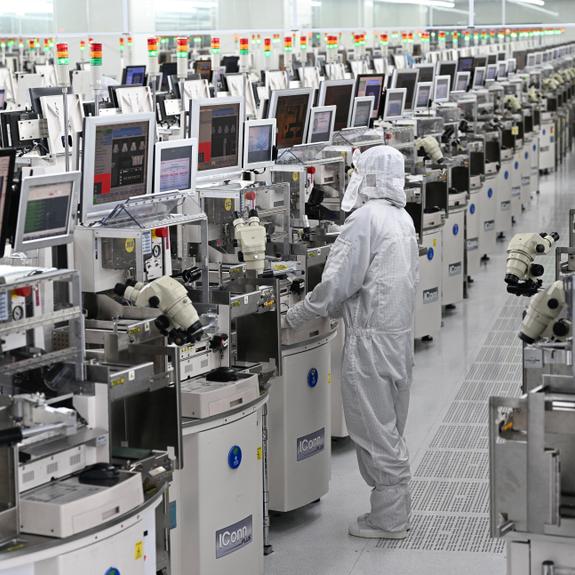
US semiconductor towns are stepping back into the spotlight after decades of decline, and this time the comeback is driven by urgency, geopolitics, and a global hunger for chips that power everything we touch.
Why Chip Plants Are Coming Back to the US Semiconductor Towns
For years, chip manufacturing quietly drifted overseas, leaving many U.S. semiconductor towns behind as costs were lower, supply chains stretched farther, and the risks felt abstract. That illusion shattered when shortages froze car production, delayed electronics, and exposed how fragile global tech dependencies had become.
Washington responded fast. Incentives tied to the CHIPS Act reframed semiconductor production as both an economic and national security priority. As explained in Why the U.S. is rebuilding its chip industry (New York Times), chips are no longer just components. They are infrastructure.
This push mirrors broader reshoring trends BigTrending has explored in Why America Is Racing to Bring Manufacturing Back Home.
The Towns Being Reborn by Semiconductor Fabs
The revival is not happening in abstract policy papers. It is unfolding town by town.
Phoenix and surrounding Arizona communities are transforming into chip corridors almost overnight. Texas is leveraging its manufacturing legacy and energy access. Upstate New York is reclaiming a role it once dominated decades ago.
According to How semiconductor fabs are transforming local economies (Forbes), these towns are seeing population growth, wage increases, and a renewed sense of long-term stability that few industries can deliver.
Economic Ripple Effects Beyond the Factory
High-Paying Jobs Change Everything
Semiconductor fabs create thousands of direct jobs and many more indirectly. Engineers, technicians, construction workers, suppliers, and service providers all benefit. Salaries tend to be higher than regional averages, reshaping local income dynamics.
Infrastructure and Cost Pressures Follow
With growth comes pressure. Housing demand rises. Schools expand. Roads and utilities are upgraded. Some residents welcome the boom. Others worry about affordability. Reddit discussions frequently highlight this tension, balancing opportunity against rising living costs.
The Tech Giants Leading the Revival
This comeback is powered by names everyone recognizes.
Intel’s multibillion-dollar investments aim to rebuild domestic manufacturing leadership. TSMC’s U.S. fabs signal a strategic hedge against geopolitical risk. Samsung’s Texas expansion reinforces the state’s role in advanced manufacturing.
Their influence extends beyond factories. Research partnerships, university pipelines, and regional ecosystems follow. This concentration of power aligns with trends discussed in Tech Giants Reshaping the World.
Challenges Facing the Semiconductor Comeback
Momentum does not erase complexity.
Chip manufacturing is capital intensive, water intensive, and highly specialized. Supply chains remain global. Talent shortages persist. Environmental concerns around water usage and energy demand raise local resistance.
As The global race for advanced chips explained (Wired) outlines, the U.S. is not rebuilding alone. Competition from Asia and Europe remains fierce.
Social Reactions Show Pride and Anxiety
On TikTok, pride dominates. Videos celebrate new jobs and local revitalization. On Reddit, skepticism appears. Users debate whether benefits will reach longtime residents or inflate housing markets.
On X, the tone turns strategic. Many frame semiconductor towns as front lines in a global tech power shift rather than just economic success stories.
Public perception matters. According to Why semiconductors are a national security priority (MIT Technology Review), support remains strong when the link between local prosperity and national resilience is clear.
What the Future Holds for U.S. Semiconductor Towns
This revival is not about recreating the past. It is about building forward.
Future fabs will focus on AI accelerators, advanced logic chips, and energy-efficient designs. Sustainability will move from marketing to necessity. Towns that invest in education, housing, and environmental planning will gain the most.
If successful, U.S. semiconductor towns will not just produce chips. They will anchor innovation clusters shaping global technology for decades.
FAQ
What are U.S. semiconductor towns?
They are communities hosting major chip manufacturing facilities that drive local economies and advanced tech production.
Why is chip manufacturing returning to the U.S.?
Supply chain risks, national security concerns, and government incentives are accelerating reshoring.
Which towns are seeing new chip plants?
Arizona, Texas, and upstate New York are among the most active regions.
What challenges do semiconductor towns face?
High costs, environmental impact, workforce shortages, and housing pressure remain key issues.
The return of chip plants is more than industrial nostalgia. It is a structural reset, and U.S. semiconductor towns are becoming the proving ground for America’s next tech era.


